Flowers for Goddess Lakshmi: The Spiritual Significance of Every Bloom on Diwali Puja
Published October 15, 2026
Every flower placed on the Lakshmi puja thali carries a sacred meaning. Discover the spiritual significance of lotus, marigold, jasmine, rose & more in traditional Diwali worship.
Flowers as the Language of Devotion in Hindu Tradition
In the ancient Sanskrit text Pushpanjali Stotram, flowers are described as "manasa puja" — the offering of the mind and heart made visible. To present a fresh, unbroken bloom to a deity is to offer a piece of your own life-force, your own prana, in the most pure and beautiful form nature provides. During Diwali — specifically during the auspicious Pradosh Kaal (the sacred dusk window) on Amavasya night when Lakshmi puja is observed — the flowers placed on the puja thali are not mere decorations. They are direct invocations, each species carrying centuries of scriptural and ritual meaning.
The Sacred Flowers of Lakshmi Puja — A Flower-by-Flower Guide
Kamal (Lotus) — The Divine Seat
The lotus is Goddess Lakshmi's eternal abode. She is depicted standing or seated on a fully bloomed pink lotus, holding lotus flowers in two of her four hands. Offering fresh lotus blooms during Diwali puja is considered the most direct and powerful invocation of Lakshmi's presence. The lotus, which blooms in pristine beauty from muddy waters, symbolizes the capacity to attain spiritual perfection within the material world — the exact message of Diwali itself. White lotuses invoke the purity of Saraswati alongside Lakshmi; pink lotuses embody divine grace.
Genda Phool (Marigold) — The Sun's Earthly Manifestation
The marigold's vibrant saffron hue corresponds to the color of the sun and of gold — both symbols of wealth and divine illumination. In Tantric worship, the marigold is associated with Goddess Bhairava (a fierce form of Durga) but is equally considered a flower of Lakshmi when offered in abundance. The sheer profusion of a marigold garland — hundreds of individual blooms strung together in a continuous chain — symbolizes the infinite, overflowing abundance that Lakshmi is worshipped to bestow.
Mogra (Jasmine) — The Fragrance of Purity
Jasmine is the universal flower of divine purity in Indian tradition. Its pristine white petals and deeply penetrating, sweet-floral fragrance are said to represent sattva guna — the quality of purity, clarity, and spiritual light. Lakshmi, as the embodiment of pure auspiciousness (shubha), particularly delights in jasmine offerings. Strings of fresh mogra are traditionally placed around the Goddess's neck and feet in her idol or photograph.
Champa (Frangipani / Plumeria) — The Flower of Temples
The five-petaled champa bloom is intimately associated with temple worship across India. Its warm, creamy-yellow fragrance is one of the most recognizable scents of Hindu devotional spaces. Champa flowers placed on the puja thali are said to please Vishnu (Lakshmi's consort) alongside Lakshmi herself, making them particularly auspicious for married couples performing Diwali puja together for marital harmony and shared prosperity.
Jaba (Red Hibiscus) — The Flower of Power & Wealth
The blazing red hibiscus is the flower most directly associated with Shakti — divine feminine power. During Diwali, when Lakshmi is worshipped in her aspect as Dhana Lakshmi (the bestower of material wealth), red hibiscus placed at her feet carries a specific petition for financial abundance, business success, and the removal of financial obstacles.
Rajnigandha (Tuberose) — The Night-Queen of Devotion
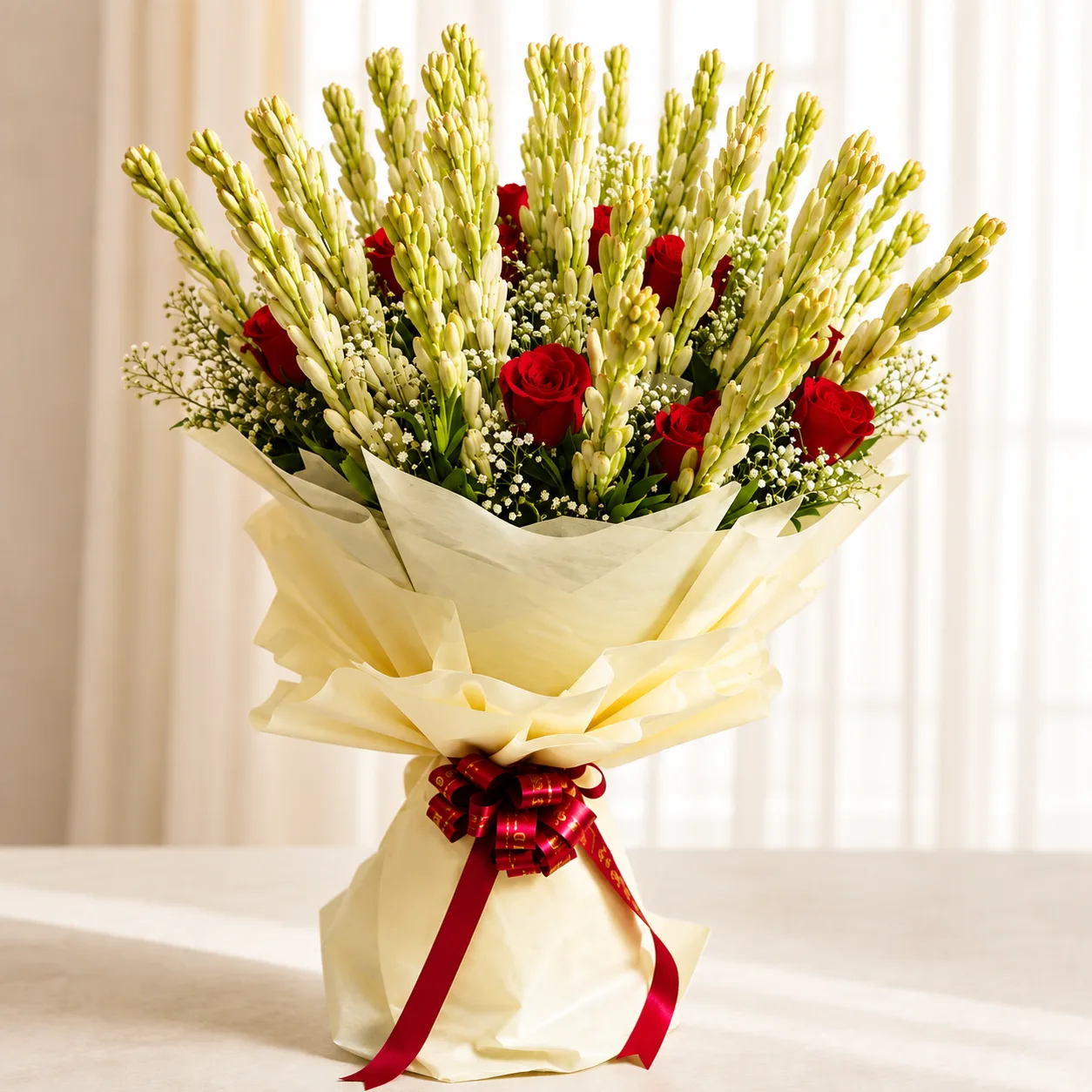
Tuberose blooms only truly reveal their fragrance at night — making them uniquely suited to Diwali puja, which is performed after sunset. As the oil lamps are lit and the evening deepens, tuberose garlands release an intensifying wave of sweet, honeyed fragrance that fills the puja room and is believed to attract divine entities associated with the night.
Shwet Kamal (White Rose) — Purity of Intention
White roses presented to Goddess Lakshmi represent the devotee's pure intention — worshipping for spiritual growth and contentment rather than purely material gain. In advanced Vaishnava traditions, white roses are the flower of choice for Diwali puja by devotees who understand Lakshmi as the embodiment of divine grace (kripa) rather than merely material bounty.
Creating the Perfect Diwali Puja Flower Basket
For the ideal Lakshmi puja flower basket, combine: three fresh pink lotus blooms, one strand of fresh jasmine (mogra), a small bunch of red hibiscus, five fresh white tuberoses, a handful of marigold petals (loose), and two to three white roses. Arranged in a traditional wicker basket with fresh green leaves (tulsi leaves if available), this offering represents a complete, scripturally complete devotional act that honors every aspect of Goddess Lakshmi's divine character.
Order Your Lakshmi Puja Flower Basket in Delhi
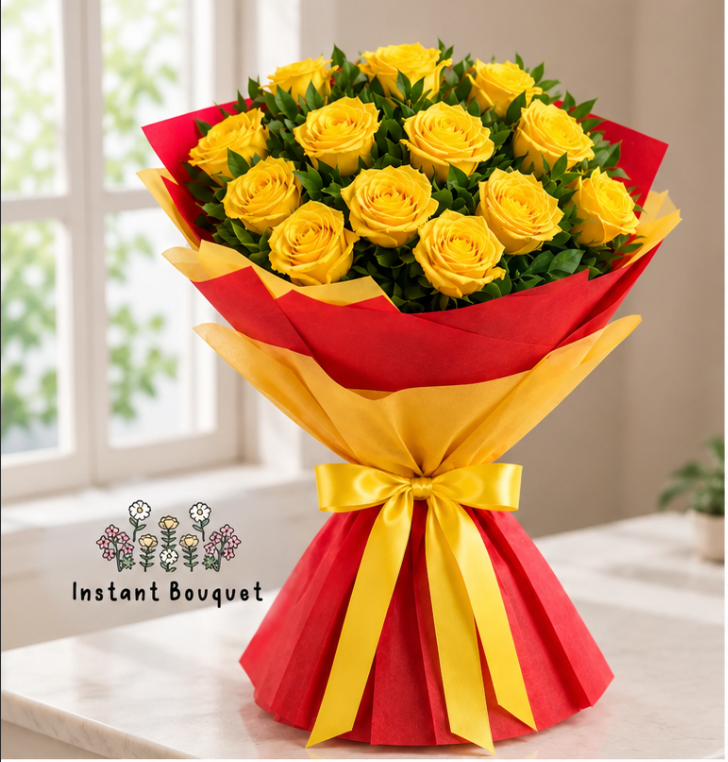
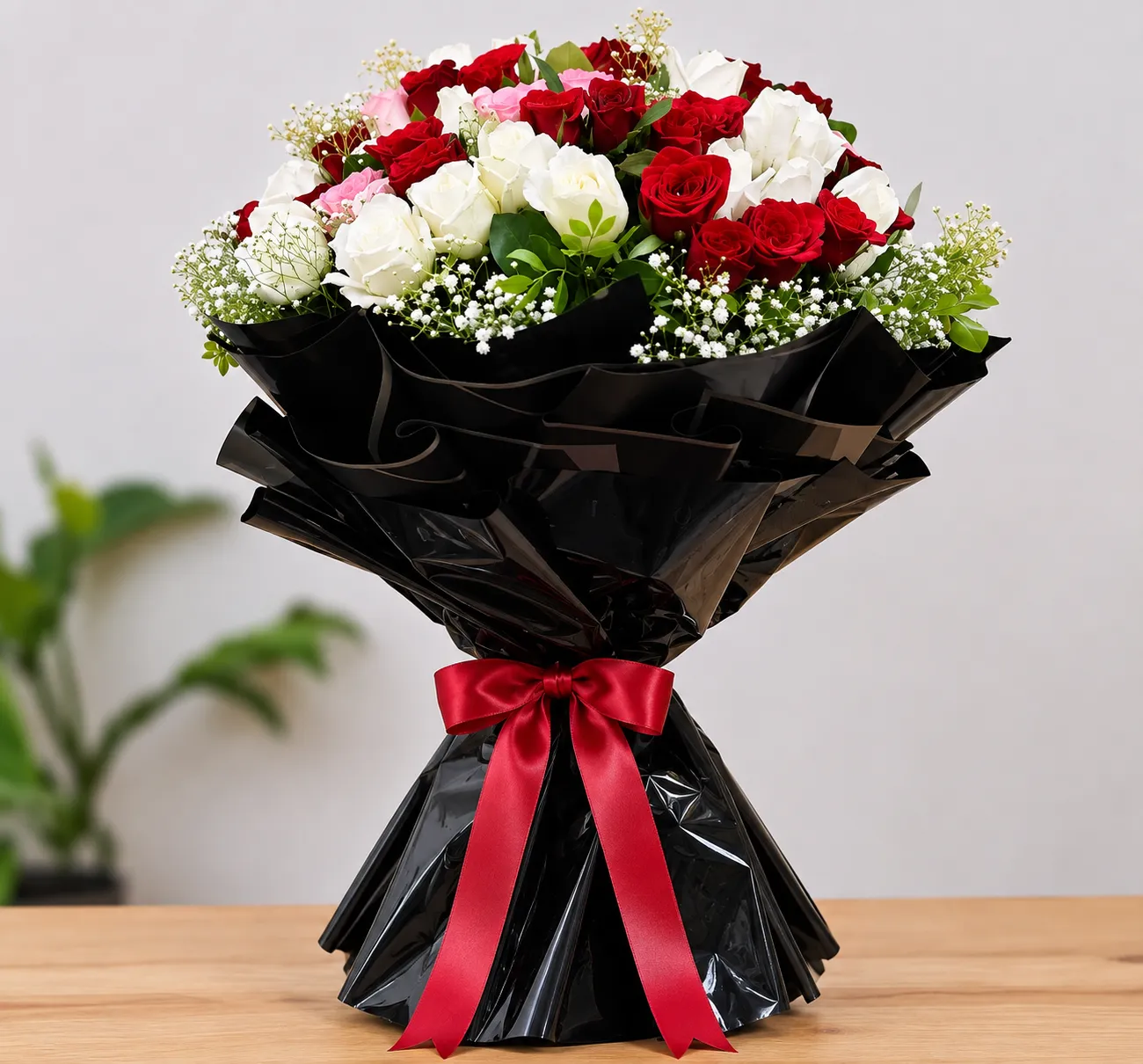
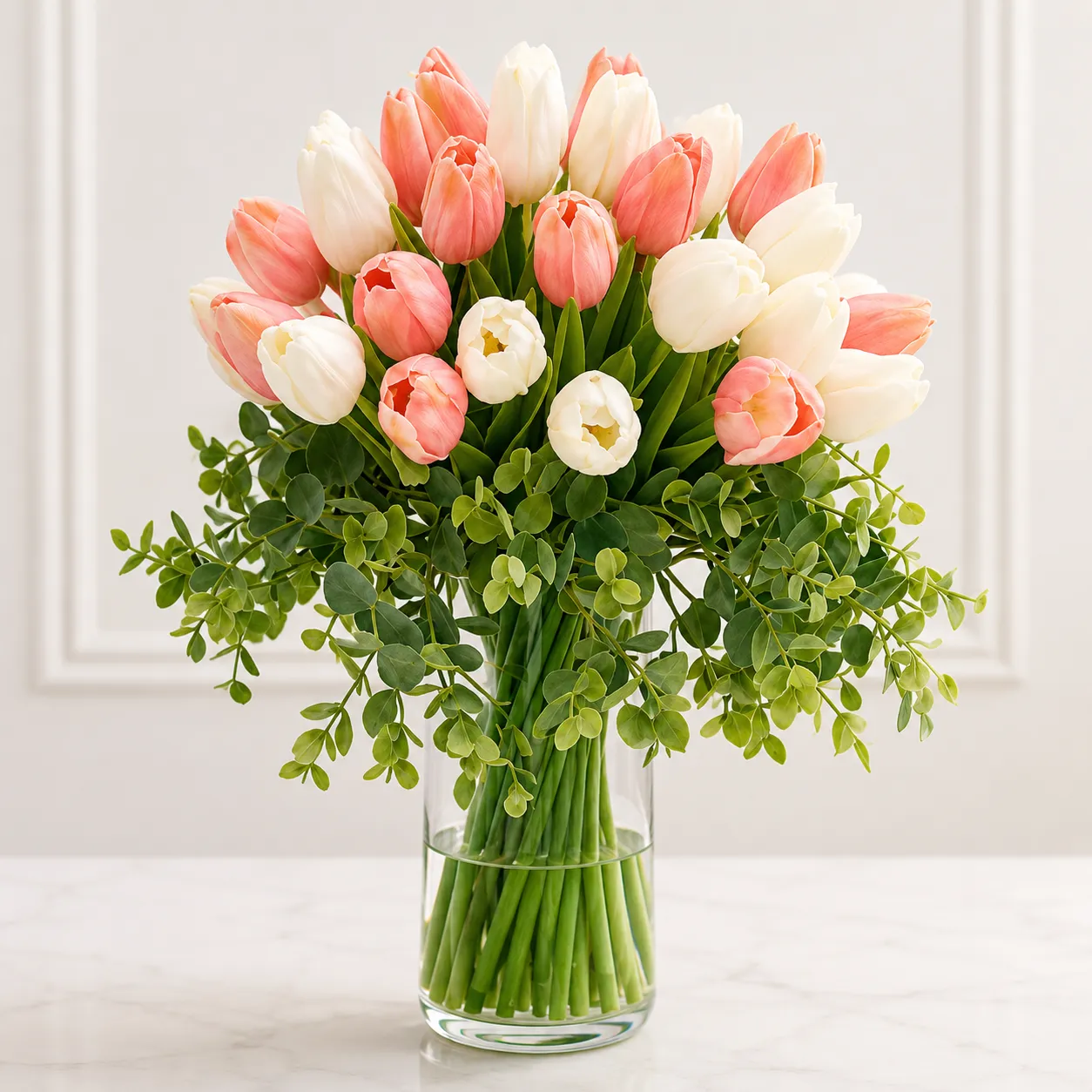
Instant Bouquet curates special Diwali puja flower baskets containing the complete traditional offering set. Order online for same-day delivery across Delhi NCR — we ensure every bloom arrives fresh, pristine, and ritually appropriate for your sacred worship.
🌸 Order Fresh Flowers for Celebrations & Puja
Handcrafted fresh bouquets & floral arrangements delivered across Delhi NCR in 30–45 minutes.
Questions
Which flower is most sacred to Goddess Lakshmi?
The lotus (kamal) is the most sacred flower associated with Goddess Lakshmi, as it is her divine seat and the symbol of purity, beauty, and spiritual attainment rising from the mud of material existence.
Can I offer jasmine to Goddess Lakshmi on Diwali?
Yes! Jasmine (mogra or chameli) is beloved by Goddess Lakshmi for its purity and intoxicating fragrance. White jasmine strands are traditionally placed around the deity's neck and feet during Diwali puja.
Is it okay to offer red roses to Goddess Lakshmi?
Red roses are offered to Goddess Lakshmi as a symbol of love, abundance, and the vibrant life force she embodies. They are considered particularly auspicious when combined with marigold petals on the puja thali.
What flowers should I avoid during Lakshmi puja?
Traditionally, withered, artificial, or synthetic flowers should never be offered to any deity, including Goddess Lakshmi. Flowers that have been touched to a corpse or used at a funeral are also avoided. Ketaki (pandanus) flowers are specifically prohibited for Lakshmi puja in certain scriptural traditions.