Vastu Shastra & Diwali Flowers: The Perfect Room-by-Room Placement Guide for Maximum Prosperity
Published October 15, 2026
Not all Diwali flowers belong in the same corner. Vastu Shastra has precise guidance on where specific flowers amplify prosperity, health, and happiness in your home. The definitive placement guide.
Vastu Shastra — The Science of Sacred Space
Vastu Shastra — India's ancient architectural and spatial science — views every home as a living energy system governed by the five elements (Pancha Bhoota) and the eight directional forces. Flowers, as concentrated expressions of Prakriti (nature's creative force), carry specific energetic qualities that interact with the directional fields of each room. Placing the right flower in the right direction during Diwali — the festival most directly associated with Lakshmi's energy of abundance — can significantly amplify the positive effects of your celebration.
Room-by-Room Diwali Flower Placement Guide
Main Entrance — East or North-East Facing
Ideal flowers: Marigold toran (saffron and yellow), jasmine welcome strand, red roses in pots flanking the door. The entrance controls the quality of energy entering your home. Golden marigolds attract abundance; jasmine purifies the incoming energy; red roses activate the fire (passion for life) element. Ensure the toran is always fresh — replace every 2 days during the festival.
Puja Room — North-East Corner (Ishaan)
Ideal flowers: Fresh lotus (Lakshmi's flower), white jasmine, white tuberose, marigold petals. The Ishaan corner is the most spiritually charged zone of any home. Fresh flowers placed here directly in front of the deity's idol activate the highest quality of devotional energy. Change the flowers daily for the five days of Diwali — never leave wilted flowers near a sacred altar.
Living Room — North Wall
Ideal flowers: Yellow sunflowers, golden chrysanthemums, yellow roses. The North is the direction of Kubera, the God of Wealth. Yellow-gold flowers placed on the North wall of your living room — in a prominent vase or as a framed installation — activate wealth consciousness. A large vase of 10–15 sunflowers on the North wall of your sitting room is the single most Vastu-aligned Diwali flower placement.
Dining Room — West or South-West
Ideal flowers: White lilies, pink gerbera daisies, mixed seasonal bouquet. The dining room is the zone of nourishment and family togetherness. White lilies represent the purity of the family bond and create a calming, harmonious atmosphere for shared meals. Avoid strongly red or deep purple flowers in the dining room, which can create unconscious tension.
Master Bedroom — South-West
Ideal flowers: Pink roses, peach-toned blooms, soft pastel arrangements. The South-West is the zone of relationships, marriage, and stability. Soft pink roses in the bedroom activate the energy of romantic love, partnership stability, and emotional warmth. Keep arrangements low (bedside-height) and choose subtle fragrances to avoid disrupting sleep — tuberose may be too intense for bedrooms; opt for light-fragrance roses.
Children's Room — East or North
Ideal flowers: White or yellow chrysanthemums, colourful gerbera daisies, cheerful sunflowers. The East zone (direction of Surya, the Sun God and patron of knowledge) energizes learning, creativity, and new beginnings. Bright, cheerful flowers in a child's room inspire joy, curiosity, and mental clarity.
Home Office / Study — North or East
Ideal flowers: A single orchid stem in a slender vase, small potted plant (money plant, jade). The North-East corner of a home office is particularly powerful for career success and business growth. A single fresh orchid — minimalist, elegant, enduring — placed at the North edge of your desk activates focus, discipline, and the energy of sustained professional achievement. Avoid large floral arrangements in the workspace, which can create distraction.
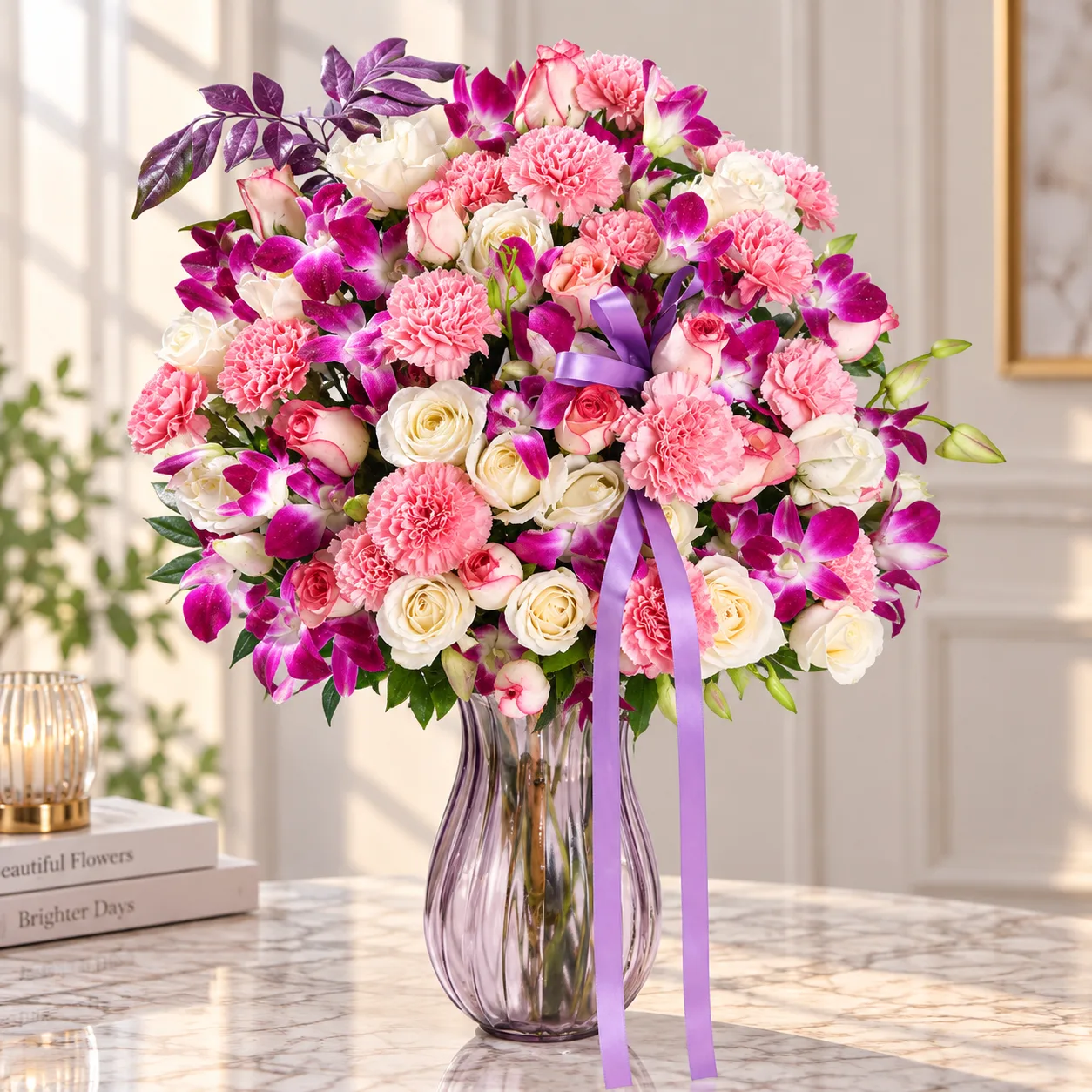
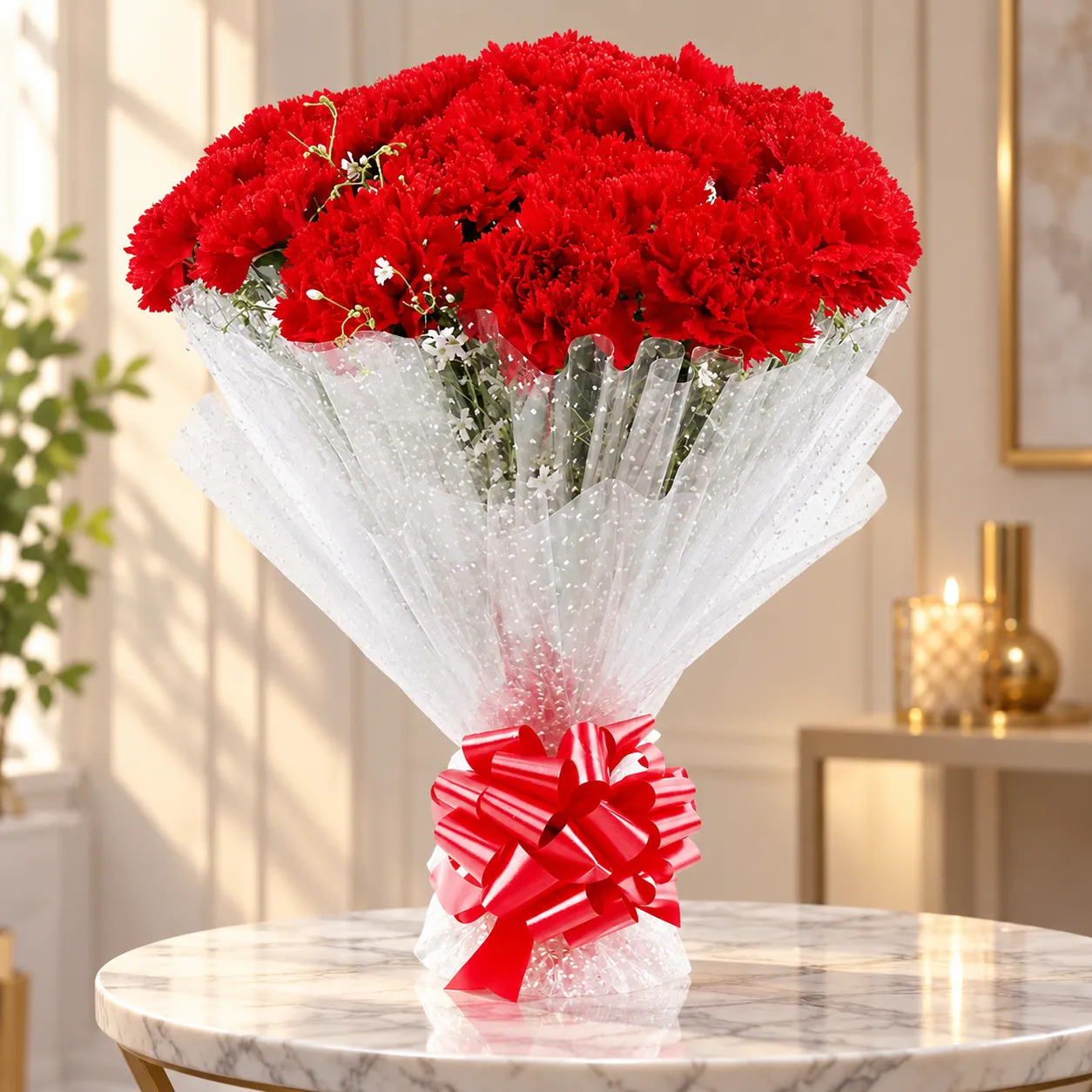
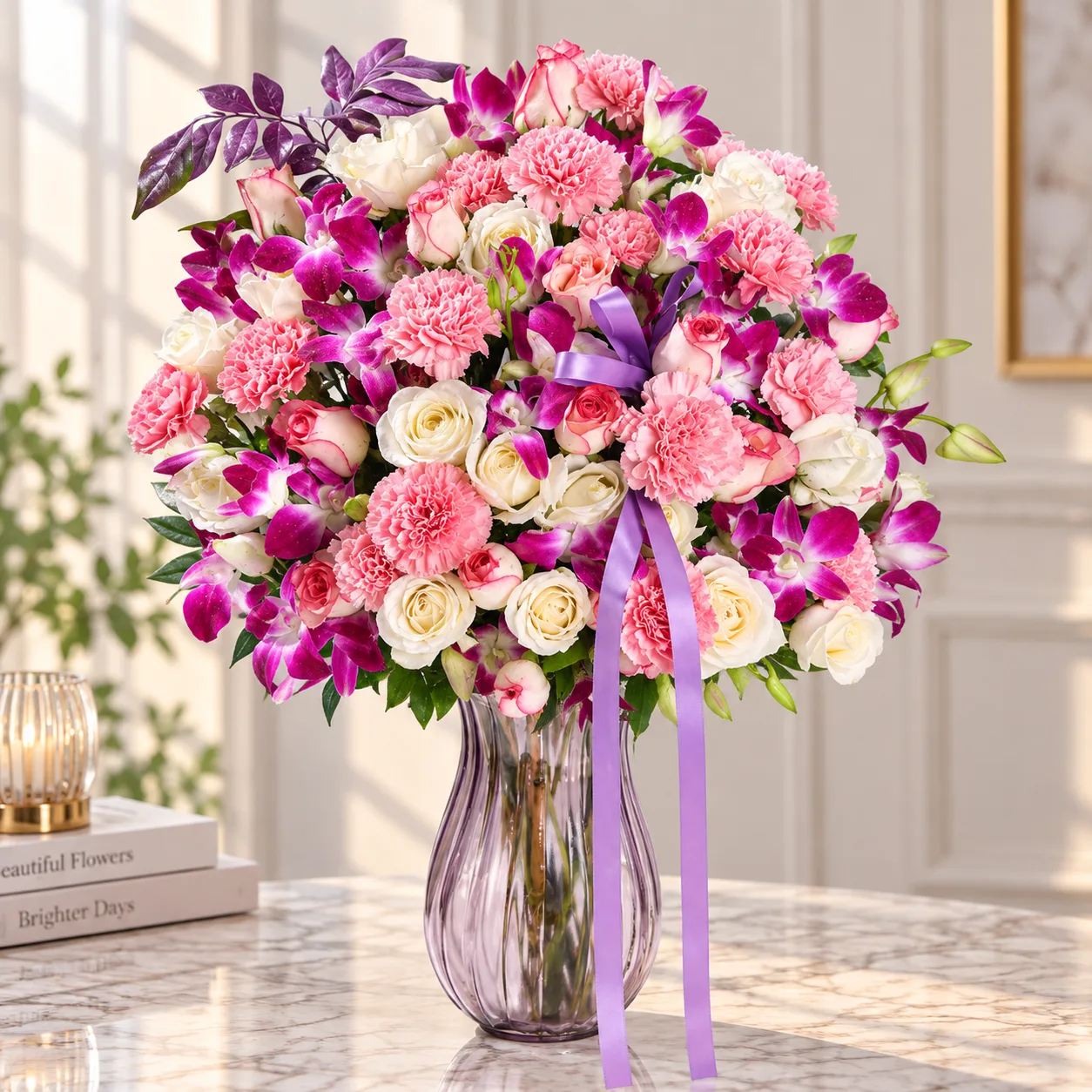
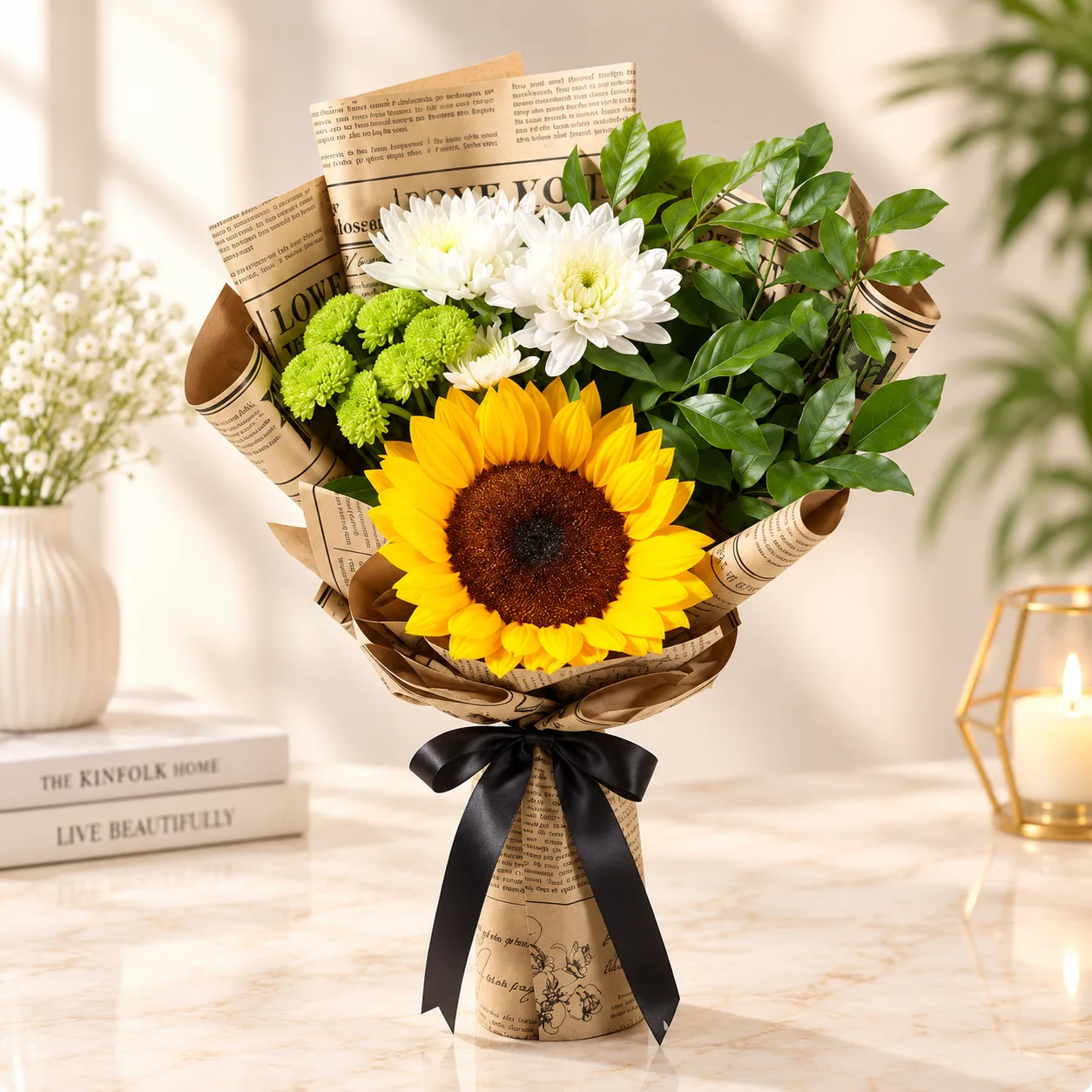
🌸 Order Fresh Flowers for Celebrations & Puja
Handcrafted fresh bouquets & floral arrangements delivered across Delhi NCR in 30–45 minutes.

Questions
Where should I place flowers for Diwali according to Vastu Shastra?
North and East zones are ideal for fresh flowers and plants in Vastu. The North-East (Ishaan corner) is the most sacred direction and should have your puja flowers. The East welcomes sunrise energy — perfect for marigolds and bright blooms. Avoid placing flowers in the South and South-West directions.
Which color flowers bring prosperity according to Vastu?
Yellow and golden flowers (marigolds, sunflowers, yellow roses) attract wealth energy (Kubera) from the North. White flowers (jasmine, white roses, tuberoses) bring peace and spiritual clarity in the North-East. Red flowers (roses, hibiscus) energize the South-East zone (associated with Agni — fire and passion).
Should I remove flowers when they wilt according to Vastu?
Yes! In Vastu Shastra, wilted or dying flowers are considered to generate negative energy (Vaayu dosha). Remove flowers as soon as they begin to wilt — ideally every 2–3 days during Diwali. Instant Bouquet's delivery service makes this effortlessly easy.