The Ancient History of Flowers in Indian Diwali Celebrations: From Vedic Rituals to Modern Gifting
Published October 15, 2026
How did flowers become so central to Diwali worship? Trace the fascinating 5,000-year journey of flowers in Indian festival culture — from ancient Vedic pushpanjali to contemporary gifting traditions.
5,000 Years of Flowers: India's Unbroken Devotional Tradition
To understand the modern practice of sending a marigold bouquet or a rose gift box on Diwali, one must travel back several millennia to the earliest known human civilizations of the Indian subcontinent. The Indus Valley Civilization (circa 3300–1300 BCE) provides the first archaeological evidence of organized flower offerings in ritual contexts — excavated sites at Mohenjo-daro reveal terracotta plates designed for floral placement, and ceremonial spaces decorated with what archaeologists interpret as floral motifs pressed into clay.
The Vedic Foundation — Pushpanjali as Sacred Act
The Rig Veda (composed c. 1500 BCE) contains specific hymns describing the offering of flowers to divine entities as an act of puja (reverence). The term pushpanjali — literally "an offering of flowers made with cupped hands" — appears throughout Vedic literature as the simplest, most universally accessible form of worship. Unlike elaborate fire sacrifices (yagnas) that required priestly knowledge and expensive materials, pushpanjali was available to every devotee regardless of social standing. This democratic accessibility of flower worship contributed to its extraordinary persistence through millennia of cultural change.
The Marigold's Unlikely Journey to Diwali
Here is one of Indian festival culture's most fascinating historical ironies: the marigold — the single flower most synonymous with every major Indian festival today — is not indigenous to India. Tagetes erecta (the African or Mexican marigold) is native to Central America, brought to India by Portuguese traders through Goa in the early 16th century. Yet within a remarkably short period, this alien flower was so seamlessly absorbed into Hindu ritual culture that most practitioners today assume it has always been part of India's floral canon. The marigold's deep golden color (associated with divine light and the sun deity Surya), its extraordinary reproductive prolificacy, its resistance to Delhi's harsh climate, and the ease of stringing its heads into garlands made it the perfect indigenous substitute for the rarer yellow blooms previously used.
The Mughal Influence — Flowers as Aristocratic Art
During the Mughal period (1526–1858), the patronage of floral arts reached unprecedented heights. Mughal emperors were passionate botanists and garden designers — Emperor Babur described his longing for the flowers of Hindustan in his autobiography. The Mughal aesthetic introduced the practice of highly elaborate floral arrangements for royal celebrations, which gradually filtered into wider aristocratic and eventually middle-class Indian culture. The tabaak (decorative tray) presentation of flowers for festival gifting — predecessors of the modern gift box — emerged from Mughal court culture.
Contemporary Diwali Flower Gifting — A Tradition Reinvented
Today's Diwali flower gifting culture blends these ancient strands into a contemporary practice that is simultaneously deeply traditional and vibrantly modern. The 15-year-old ordering a marigold toran on his smartphone for his mother, the corporate HR manager placing a 200-bouquet bulk order for her team, and the NRI in London sending a premium rose box to her parents in Delhi — all are participants in a 5,000-year-old conversation between human beings and the divine, conducted through the medium of flowers.
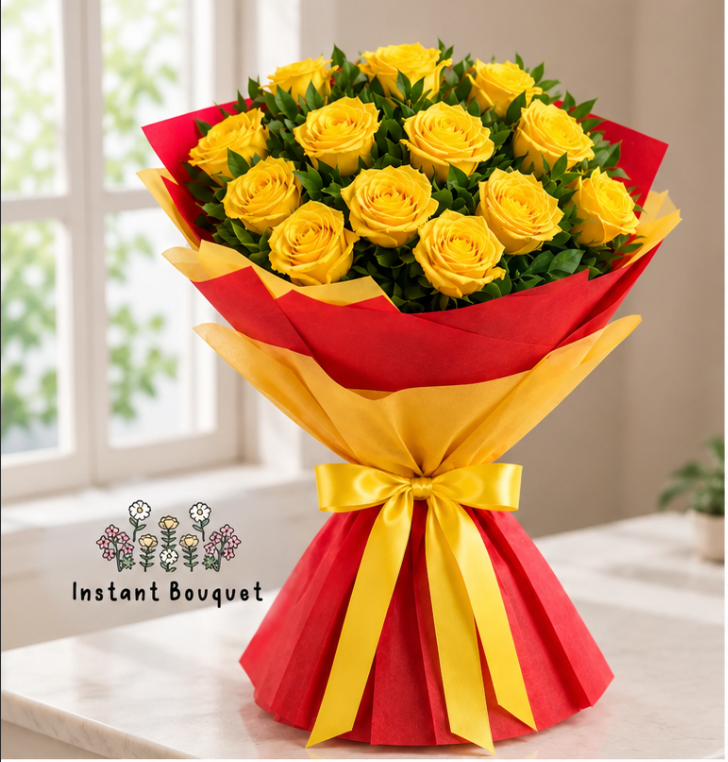
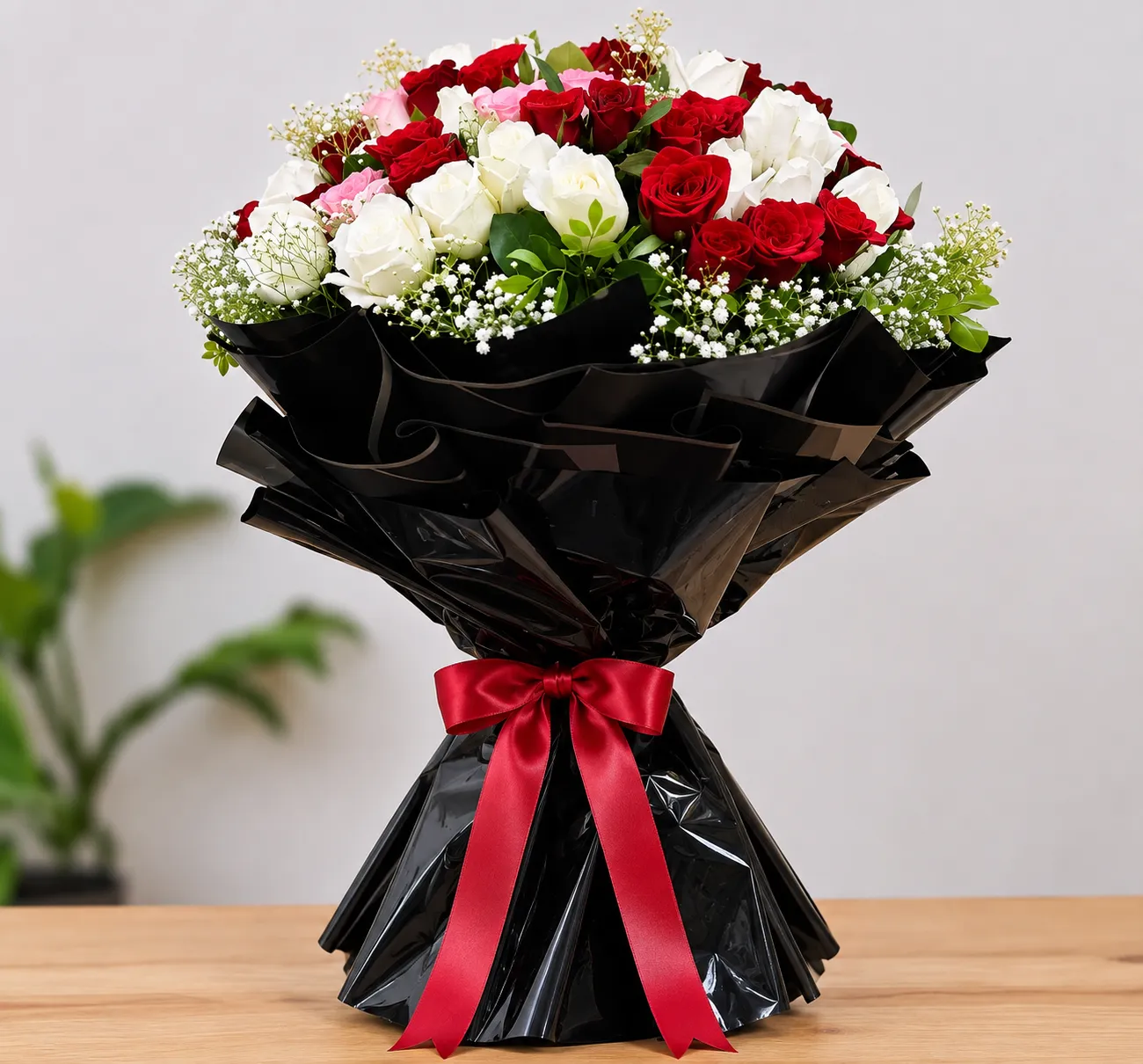
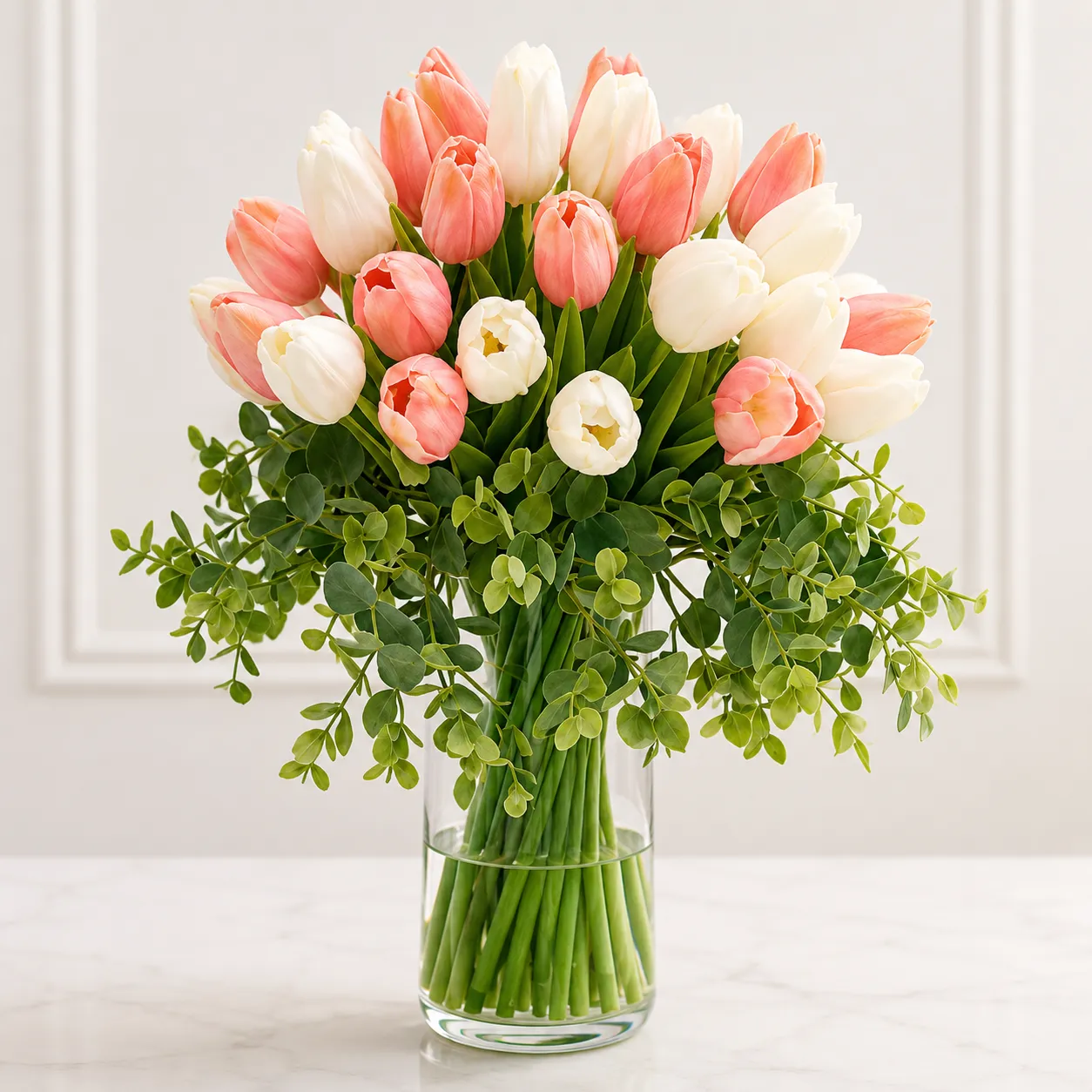
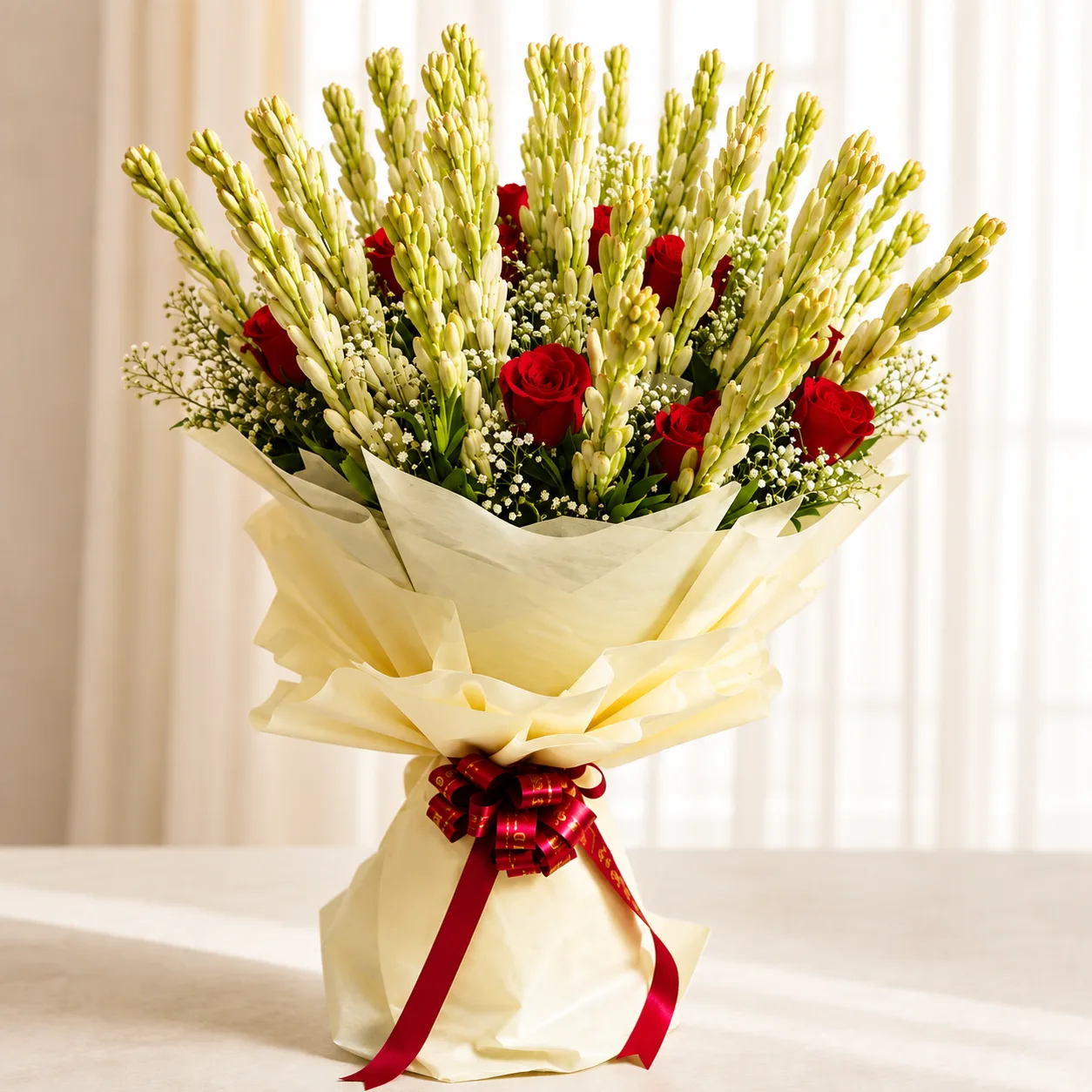
🌸 Order Fresh Flowers for Celebrations & Puja
Handcrafted fresh bouquets & floral arrangements delivered across Delhi NCR in 30–45 minutes.
Questions
How old is the tradition of using flowers in Diwali celebrations?
The use of flowers in religious and festival contexts in India dates back at least 5,000 years, documented in Vedic texts like the Rig Veda and the Atharva Veda. The specific Diwali flower traditions we practise today are described in texts dating to the Gupta period (4th–6th century CE).
Why are marigolds specifically associated with Indian festivals like Diwali?
Marigolds were introduced to India from Mexico via Portuguese traders in the 16th century. However, their golden colour, prolific bloom production, and strong fragrance made them almost immediately adopted into the pre-existing tradition of flower worship. Within centuries, they became the quintessential Indian festival flower.
What flower is mentioned most in ancient Indian texts in relation to Lakshmi?
The lotus (kamal or padma) is by far the most frequently mentioned flower in Lakshmi-related texts. Over 500 references to Lakshmi's association with the lotus appear across the Puranas, Upanishads, and Tantric texts.