Diwali Flower Petal Rangoli: 10 Breathtaking Phool Rangoli Designs to Try at Home in 2026
Published October 15, 2026
Fresh flower petals create rangoli designs that no coloured powder can match. Discover 10 stunning phool rangoli ideas for Diwali 2026 — complete with flower shopping lists and step-by-step tips.
Why Phool Rangoli Is the Most Beautiful Diwali Tradition
Rangoli — the ancient Indian art of creating sacred geometric patterns at the entrance and courtyard of homes — is one of Diwali's most beloved rituals. While the convenience of ready-made plastic stencils and coloured powder has simplified the process, there is a transcendent beauty to phool rangoli — rangoli created exclusively with fresh flower petals — that no synthetic medium can approximate. The petals catch light differently as the angle shifts. They release a gentle, living fragrance. And there is a meditative quality to the act of placing each petal precisely, knowing that this impermanent beauty is, by its nature, an offering to the divine.
10 Diwali Phool Rangoli Designs
1. The Classic Lotus — Symbol of Lakshmi
Draw concentric circles in chalk or chalk powder. Starting from the outermost circle, lay individual marigold petals in an overlapping arrangement, each one pointing inward, creating the effect of cascading lotus petals. Use deep saffron petals for the outer rings, transitioning to golden yellow for the middle, and place actual fresh lotus blooms (3 or 5) at the center. A single lit diya at the very heart completes this sacred, breathtakingly beautiful design.
2. The Diyas & Petals Trail
Create a winding, organic S-curve trail of alternating red rose petals and yellow marigold heads from your front door toward your puja room. Nestle small clay diyas within the petals every 30 cm. As the diyas are lit at dusk, the petals glow in warm amber light — creating a magical floral river of fire.
3. The Peacock Phool Rangoli
Outline a peacock silhouette in chalk — body, spread tail, crest. Fill the body with blue hydrangea petals or dark purple bougainvillea. Use green leaves (marigold stems, tulsi leaves) for the tail feathers' long shafts, and yellow chrysanthemum petals for the round tail-eye motifs. Outline the entire design with a continuous border of small red rose buds. This design is particularly popular in Maharashtra and Rajasthan, but its visual drama makes it increasingly beloved in Delhi homes.
4. The Mandala of Abundance
Begin with a central point. Using a compass drawn in chalk, create seven concentric circles of increasing radius. Fill each ring alternately with: white tuberose petals, marigold petals, red hibiscus petals, jasmine strands, orange gerbera heads, rose petals, and a final outer ring of loose marigold heads. The result is a hypnotic, jewel-like mandala that photographs magnificently and radiates circular symmetry — the geometric symbol of divine wholeness.
5. The Lakshmi Footsteps Design
One of the most uniquely Diwali-specific designs: create a series of small footprint-shaped outlines in chalk — representing Goddess Lakshmi walking into your home. Fill each footprint with dense, overlapping marigold petals. Create a trail of footprints from the entrance all the way to your puja mandir, as if Lakshmi herself has walked the path. Border the trail with a continuous strand of fresh jasmine (mogra). This design is believed to invite the literal presence of Goddess Lakshmi into the household.
6. The Star of Diwali
Create an eight-pointed star (ashtakona — the sacred shape of Lakshmi's yantra) using chalk. Fill each triangular point alternately in red rose petals and yellow marigold petals. Create an inner octagon filled with white tuberose heads. Place a small, ornate diya at each of the eight star points and one large diya at the center. Simple, geometrically crisp, and stunningly beautiful.
7. The Diwali Flame Rangoli
Outline the teardrop shape of a diya flame — elongated, pointed at the top — in multiple overlapping repetitions, creating a sunburst of flame shapes emanating from a central diya. Fill the flames alternately with orange gerbera petals and yellow chrysanthemum heads. The result resembles an exploding firework frozen in natural materials — perfectly encapsulating Diwali's spirit.
8. The Om & Swastika Classic
Two of Hinduism's most sacred symbols combined in fresh petals: a central Om symbol outlined and filled with white jasmine and tuberose; surrounded by four swastika arms created with saffron marigold petals radiating outward; bordered by a square frame of red rose petals. This deeply traditional design is beloved across North India for its direct invocation of divine protection and auspiciousness.
9. The Floral Frame Doorstep Design
Rather than a freestanding rangoli, create a rectangular floral frame directly at your doorstep: a dense border of fresh marigold heads as the outer ring, a second border of white tuberose sprigs, and an innermost frame of small red rose buds. The center of the frame is left empty, symbolizing the open space into which Goddess Lakshmi is invited to step. Place a single, beautiful diya at the center of the empty frame.
10. The Regional Kolam Adaptation
Inspired by the intricate dot-based kolam designs of Tamil Nadu, create a grid of chalk dots and connect them with flowing curves to create a sinuous, interlocking geometric pattern. Fill the enclosed areas alternately with marigold petals, rose petals, and white jasmine — creating a tapestry-like effect that combines South Indian geometric rigor with North Indian floral abundance. A cross-cultural Diwali rangoli for a cosmopolitan Delhi home.
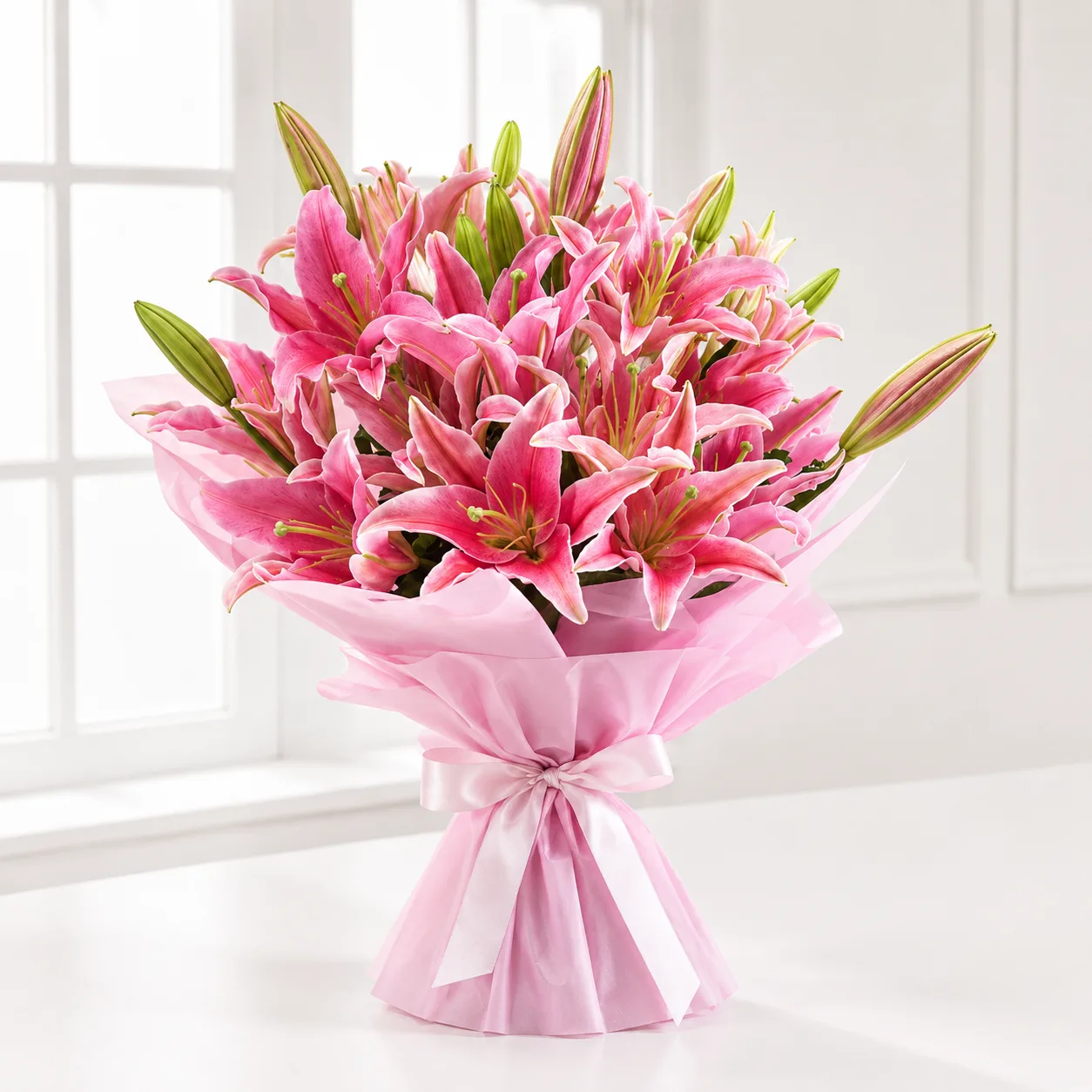
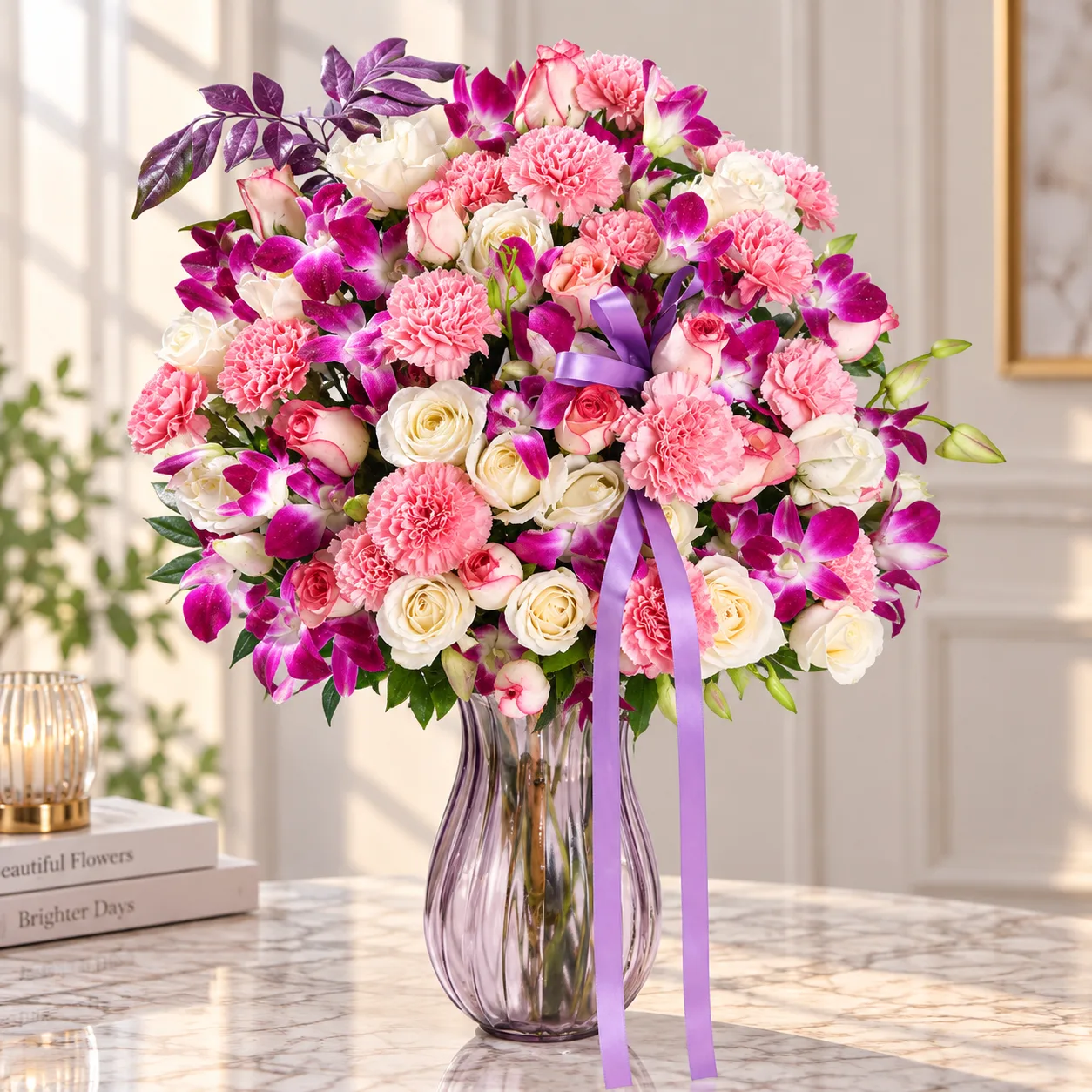
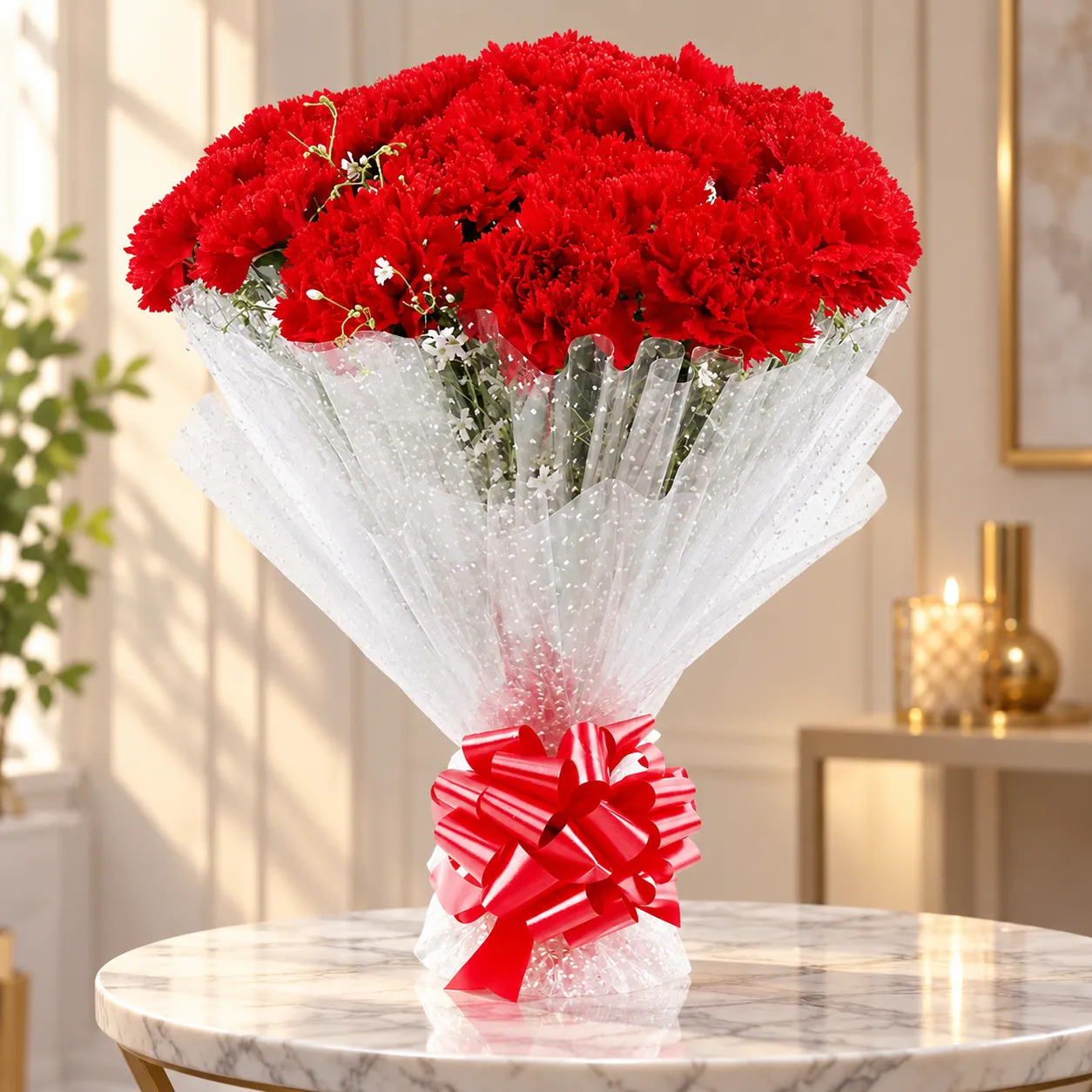
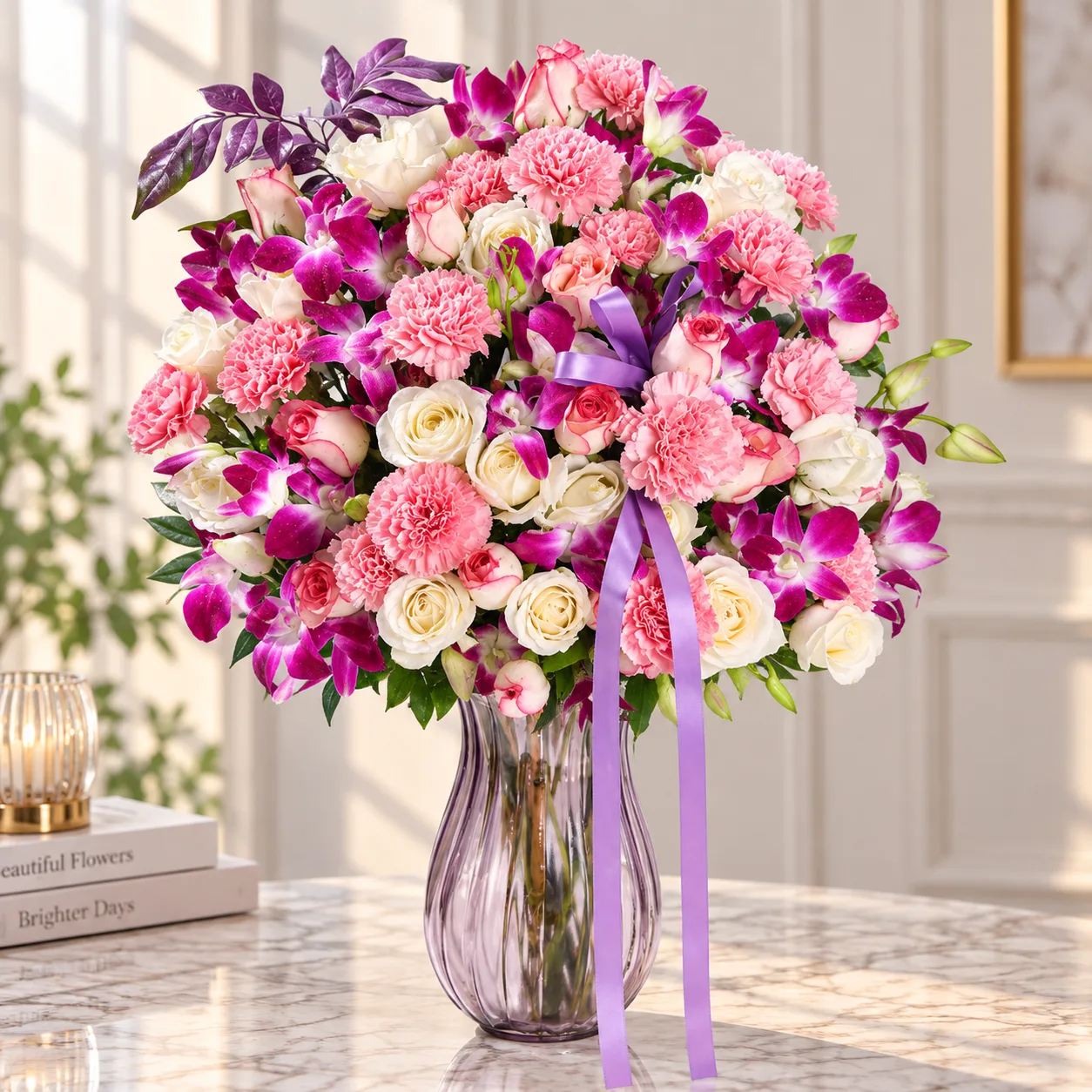
🌸 Order Fresh Flowers for Celebrations & Puja
Handcrafted fresh bouquets & floral arrangements delivered across Delhi NCR in 30–45 minutes.
Questions
What flowers are best for Diwali rangoli?
Marigold petals (yellow, saffron, deep orange) form the base of most phool rangoli designs. Red hibiscus petals add bold accents. White tuberose and jasmine create intricate borders. Rose petals (red, pink, yellow) add colour variety. For texture, dried lavender or bougainvillea flowers create beautiful contrasting elements.
How do I keep flower rangoli fresh during Diwali?
Lightly mist the petals with water every 4–5 hours using a spray bottle. Keep the rangoli away from direct air conditioning vents and ceiling fans. Avoid direct sunlight. With care, a fresh petal rangoli can look beautiful for 6–8 hours.
How many petals do I need for a flower rangoli?
For a medium-sized rangoli (approximately 1.5 meters in diameter), you will need approximately 200–300 grams of mixed petals. For a large statement rangoli (2.5 meters), budget for 500–700 grams. Instant Bouquet offers bulk petal orders specifically for Diwali rangoli.
Can I order loose flower petals for rangoli from Instant Bouquet?
Yes! We offer bulk loose petal orders for Diwali rangoli — marigold petals, rose petals, and mixed seasonal petals — available in 100g, 250g, and 500g quantities with same-day delivery across Delhi NCR.