Choti Diwali & Narak Chaturdashi 2026: Flowers, Rituals & the Sacred Tradition of Fragrant Baths
Published October 15, 2026
Choti Diwali (Narak Chaturdashi) is more than a warm-up to the big night — it carries its own profound rituals centered on fragrant flowers. Discover the complete tradition and how to celebrate with fresh blooms.
The Overlooked Celebration — Choti Diwali's Own Sacred Identity
Sandwiched between the golden purchasing frenzy of Dhanteras and the magnificent lamp-lighting spectacle of main Diwali night, Choti Diwali (literally "Little Diwali") — also known as Narak Chaturdashi or Kali Chaudas — is frequently overshadowed. Yet this festival carries its own profound mythology and rituals that pre-date the mainstream Diwali celebrations by centuries, rooted in Lord Krishna's defeat of the demon Narakasura to liberate 16,000 captive women and restore divine order to the world.
The Pre-Dawn Ritual Bath — Flowers as Purification
The most distinctive Choti Diwali ritual is the mangal snan or auspicious bath taken before sunrise on Chaturdashi. Families traditionally wake before 4:00 AM, anoint themselves with sesame oil (til ka tel) mixed with crushed apamarga (Achyranthes aspera) leaves and fresh flower petals, and bathe while the sky is still dark. This act symbolically replicates the cleansing of sin and negativity that Lord Krishna performed after slaying Narakasura, whose blood stained Krishna's clothes and skin. Flowers used in this ritual bath — particularly jasmine, chrysanthemum, and hibiscus — carry the vibration of divine purification and spiritual renewal.
The 14 Diyas for Yama — and the Flowers That Accompany Them
On Narak Chaturdashi, fourteen earthen diyas are lit at dusk and placed at the building entrance, specifically facing south — the direction of Yama, the God of Death — as an offering for the protection of family members through the new year. Surrounding each small cluster of diyas with fresh marigold petals and a sprig of sacred tulsi amplifies the protective power of this ancient ritual.
Choti Diwali Flower Ideas to Start the Festive Season
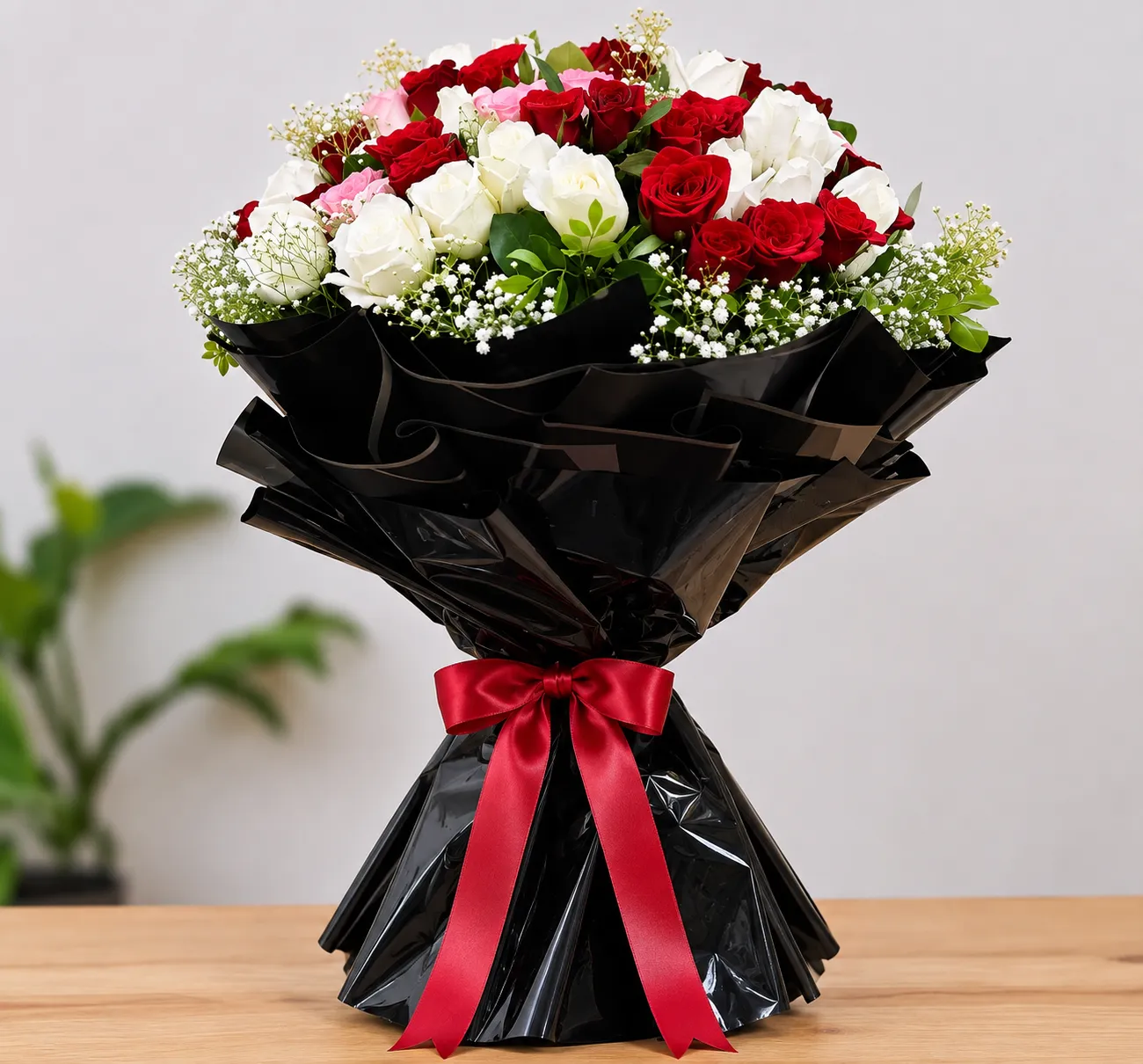
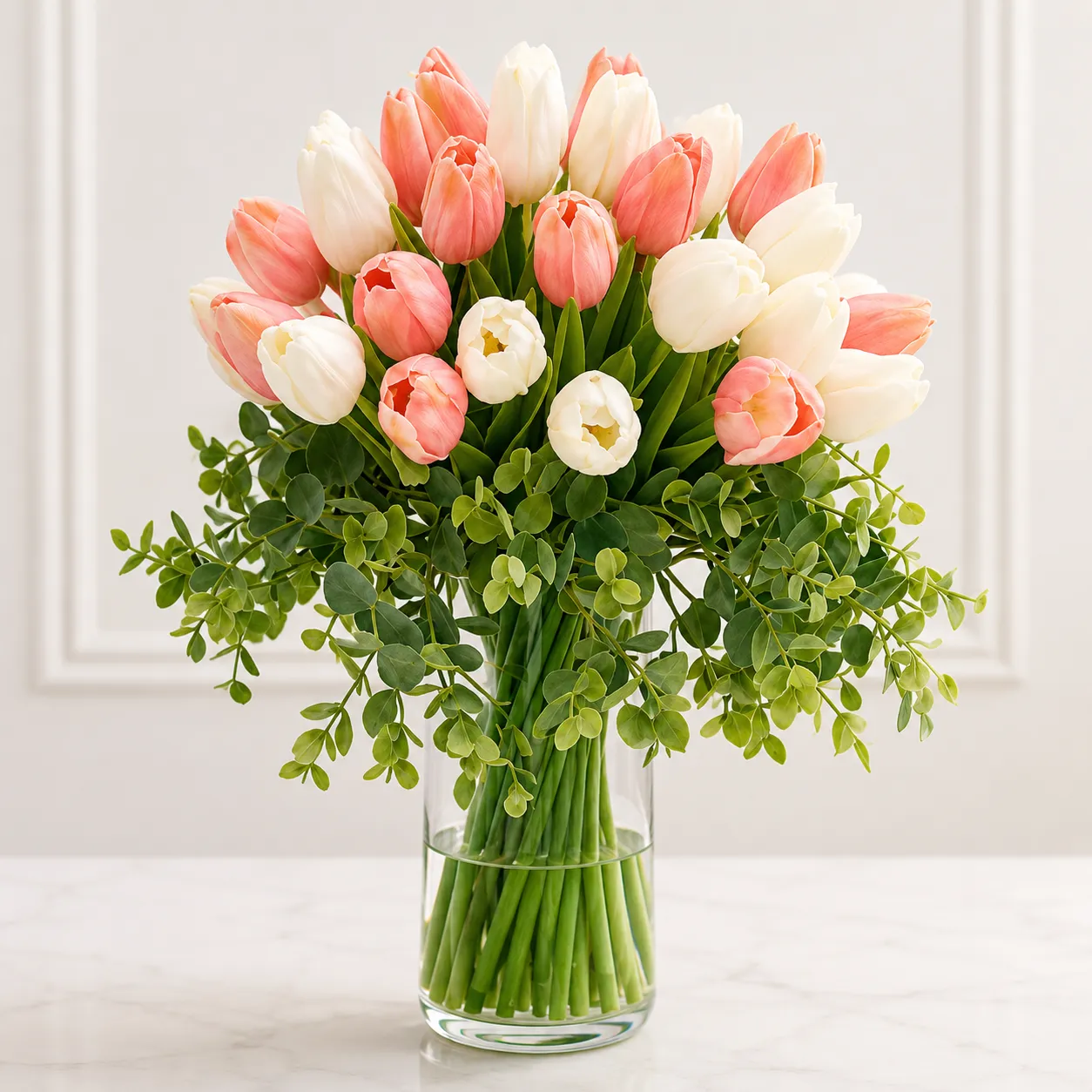
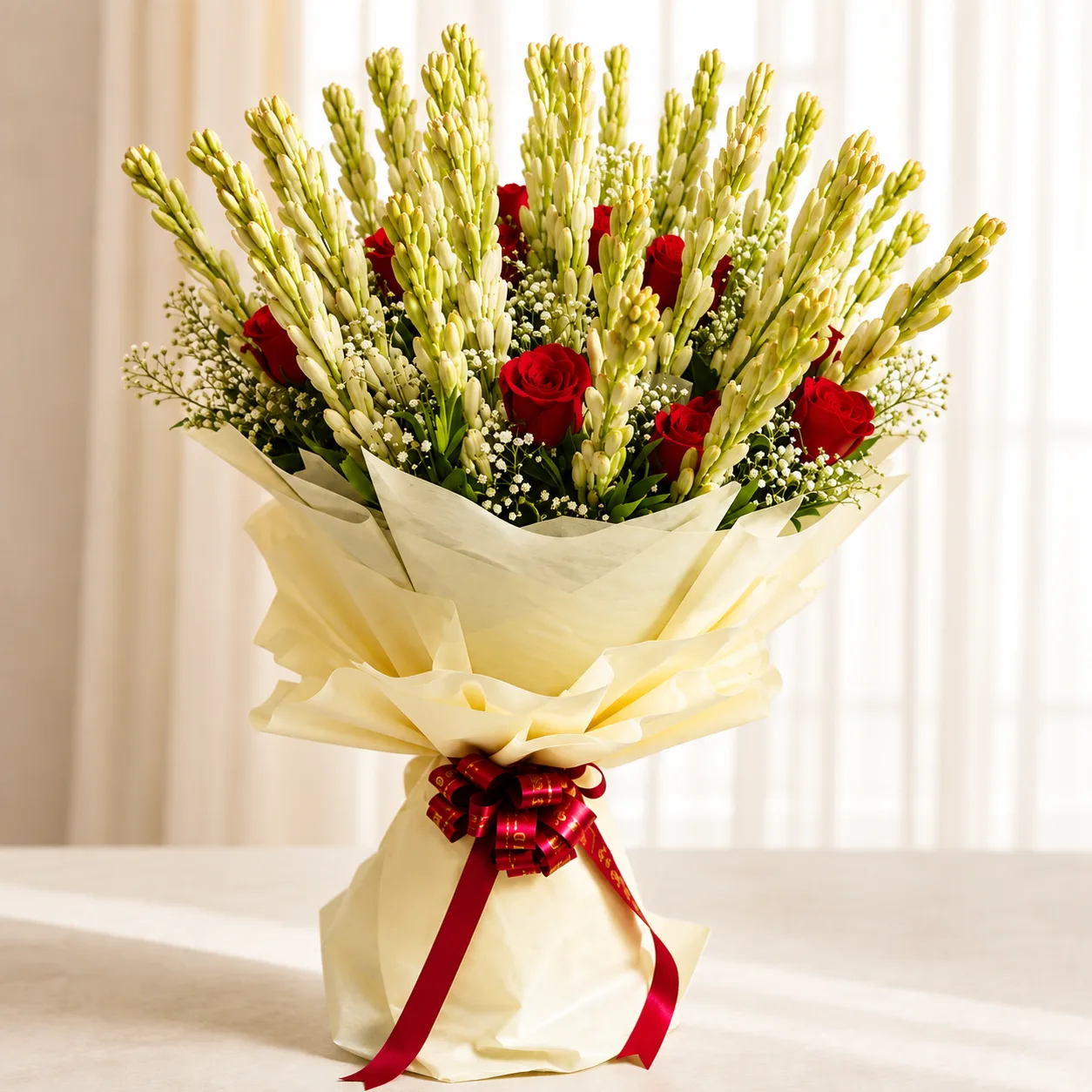
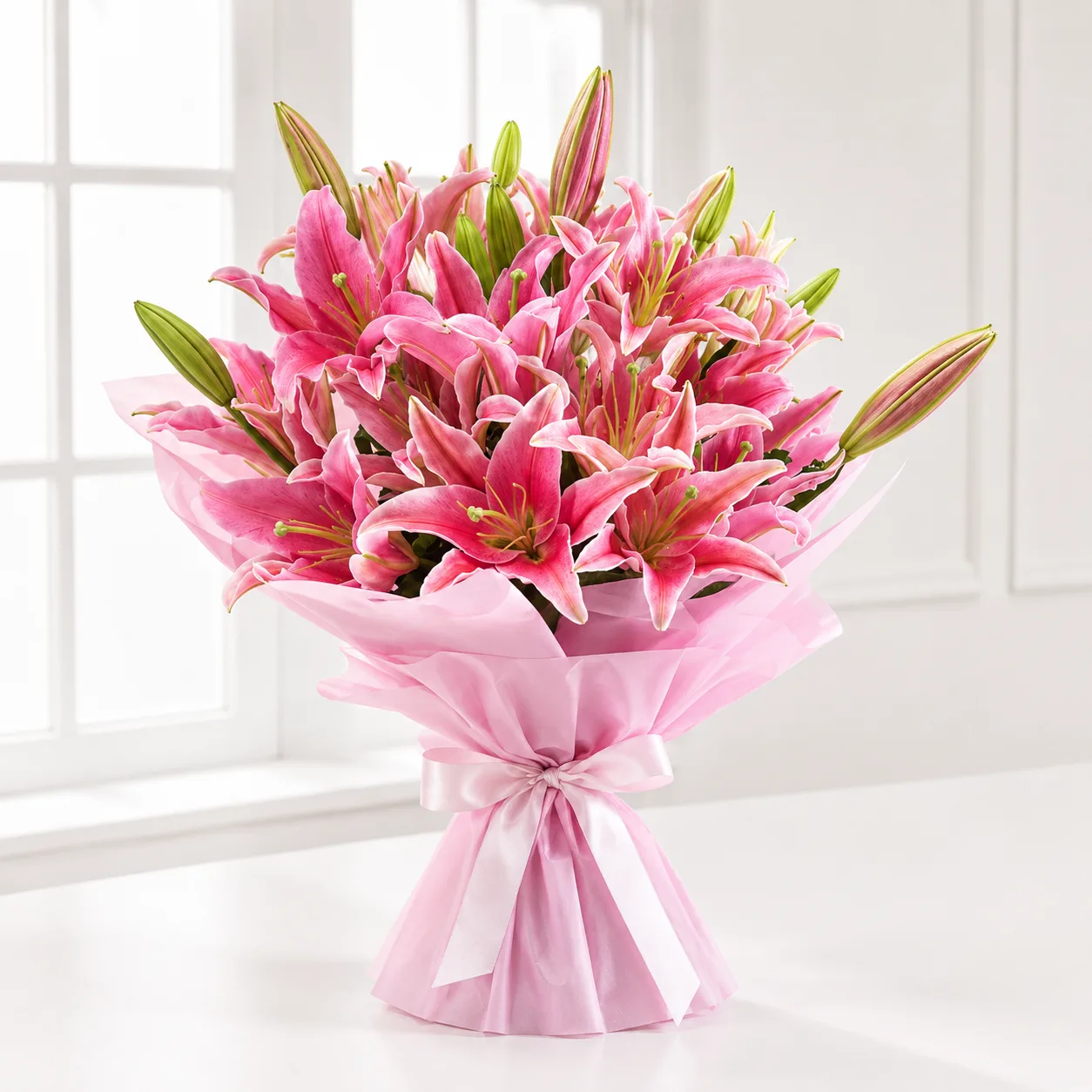
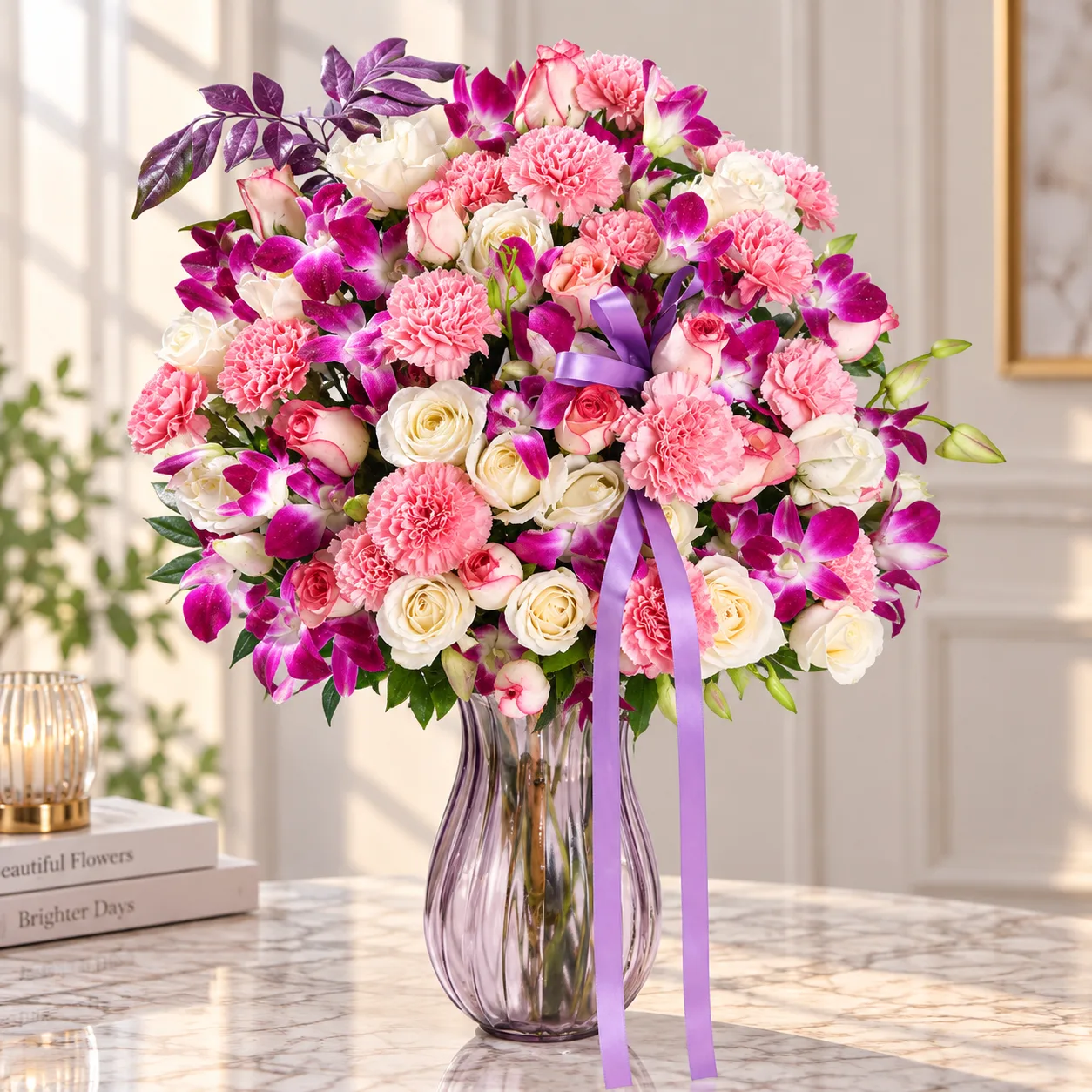
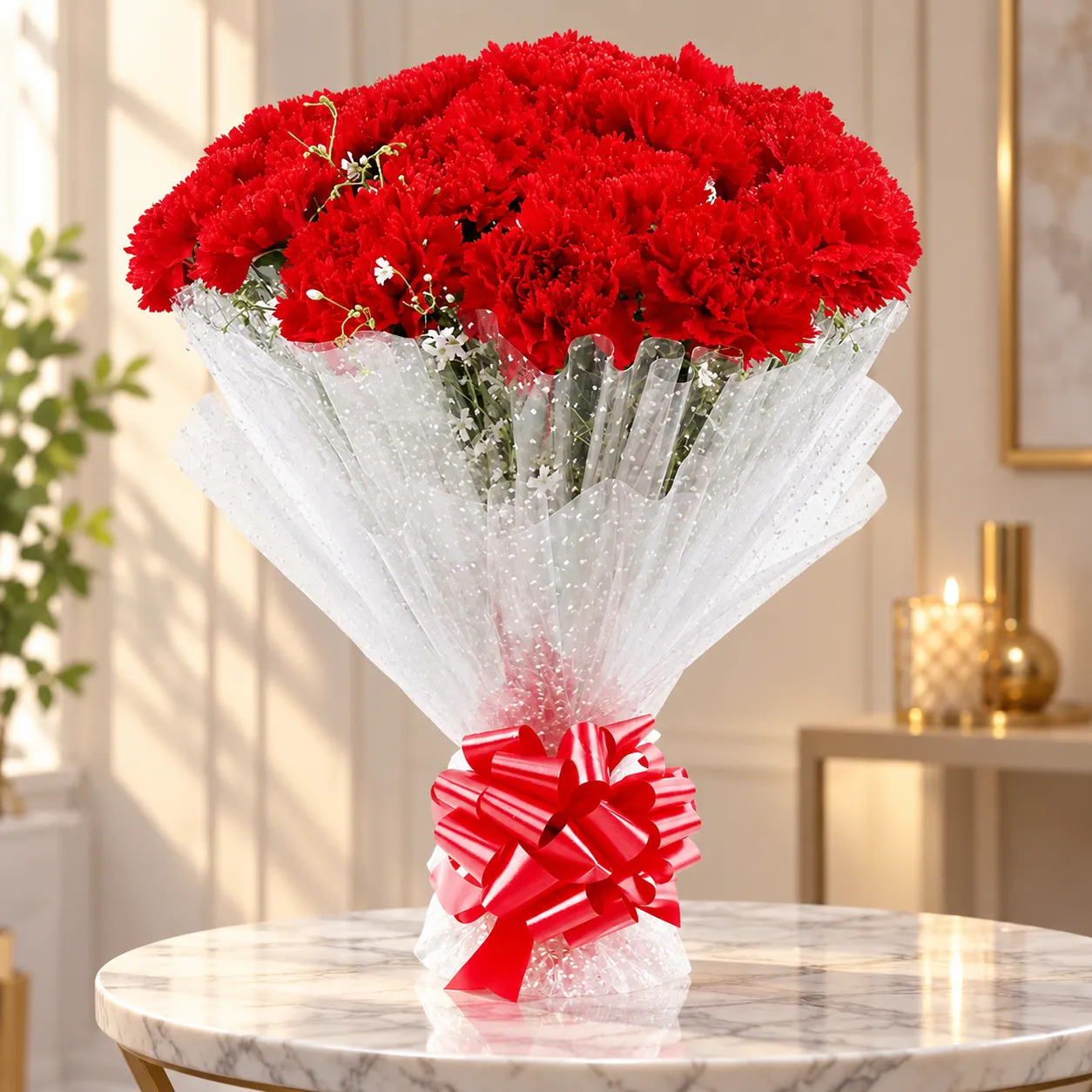
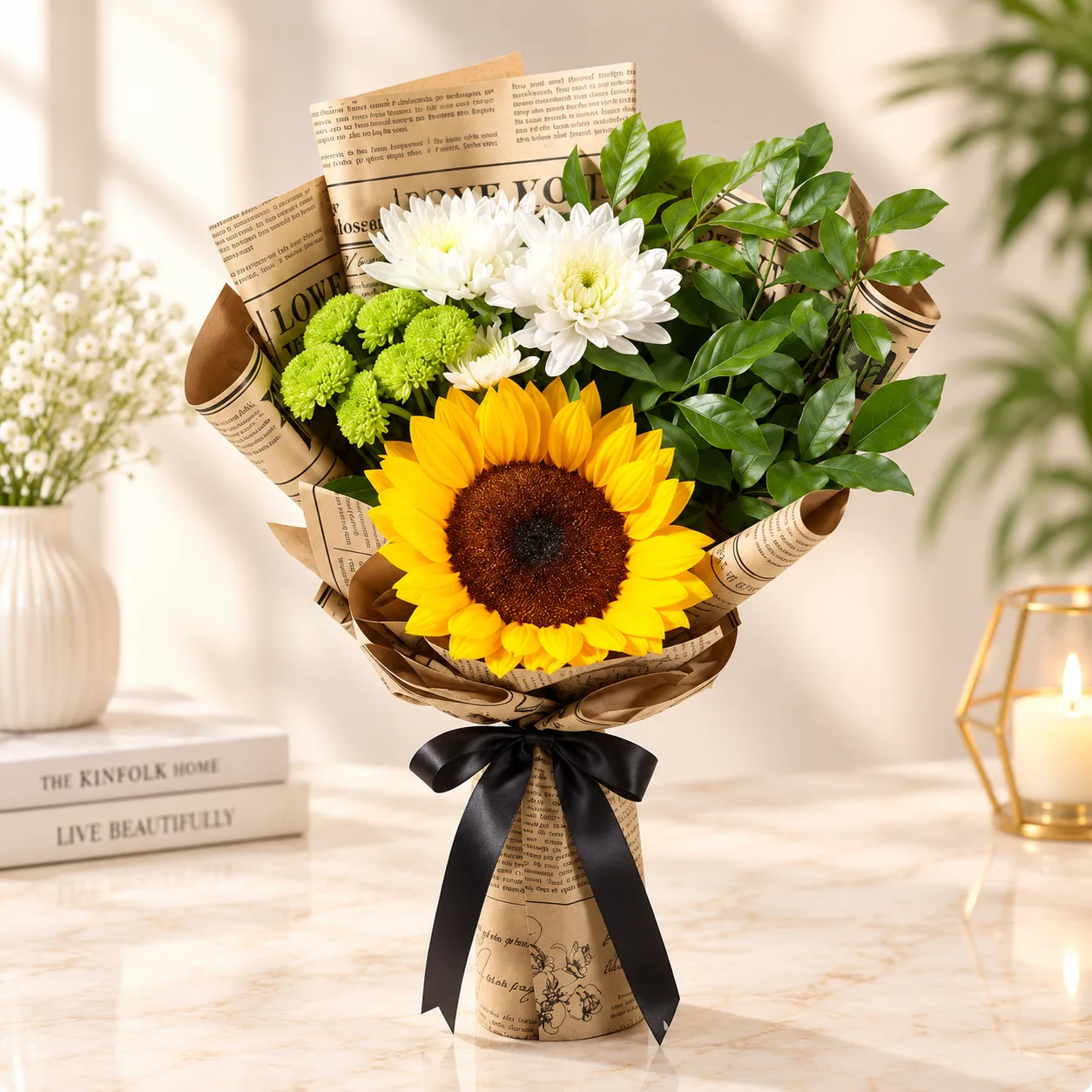
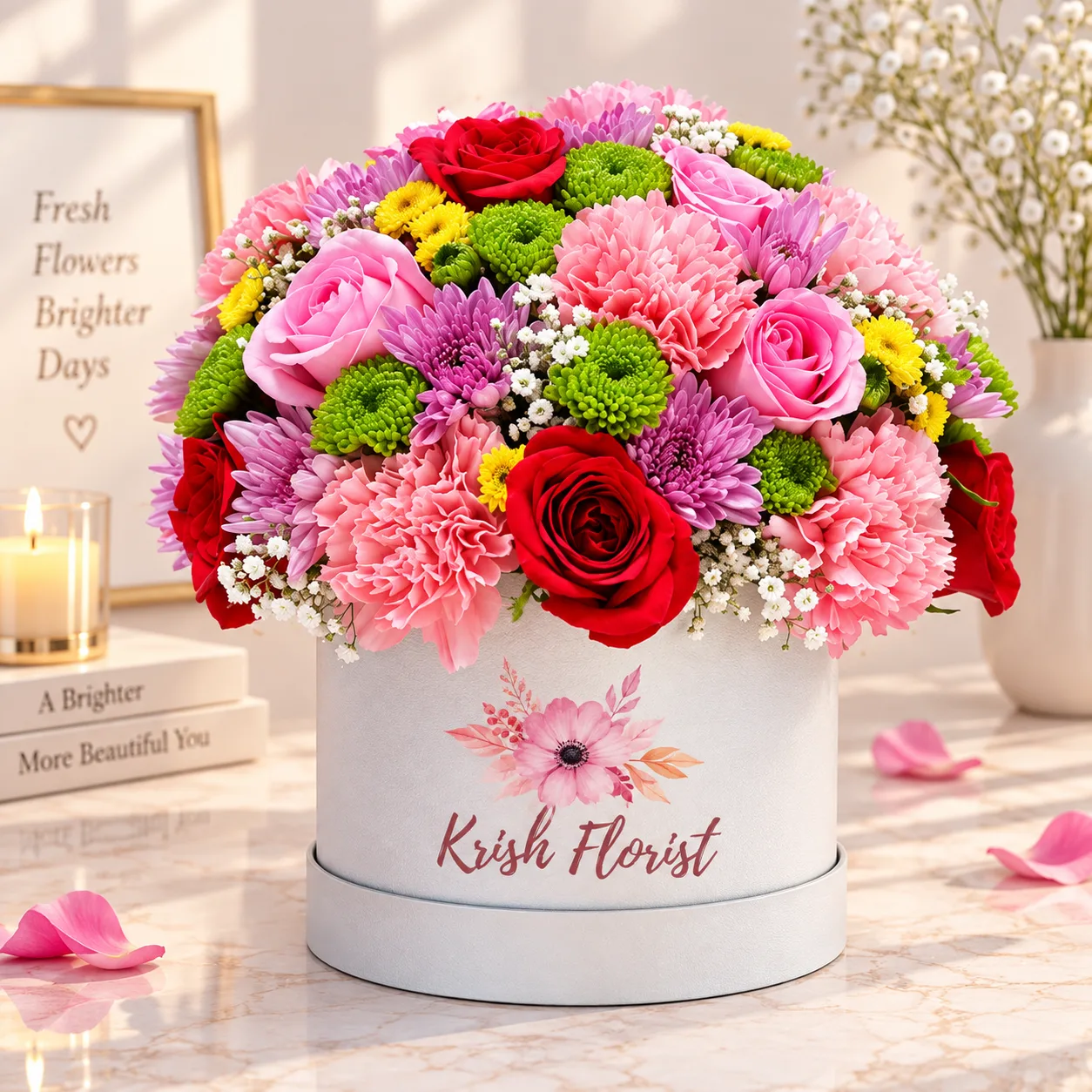
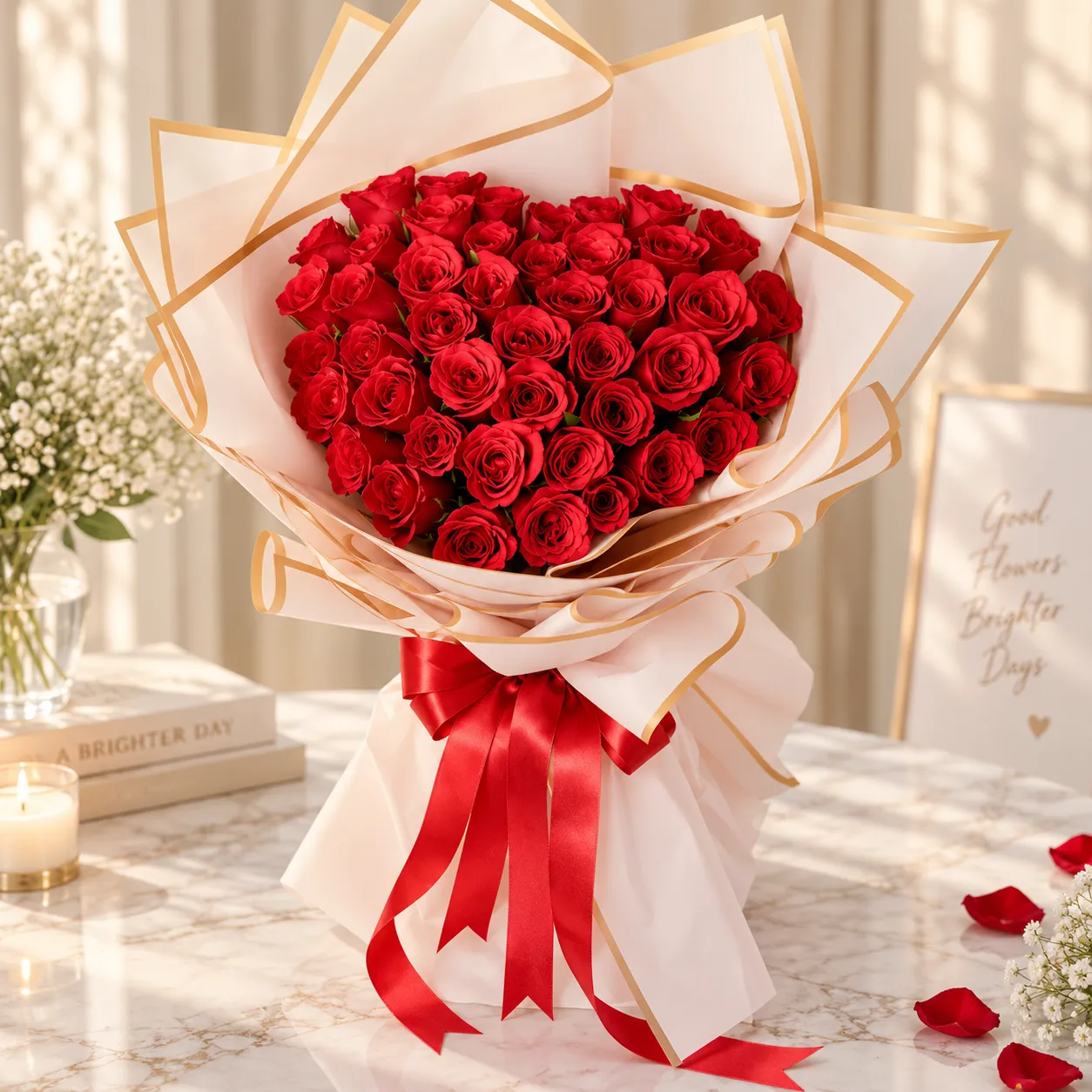
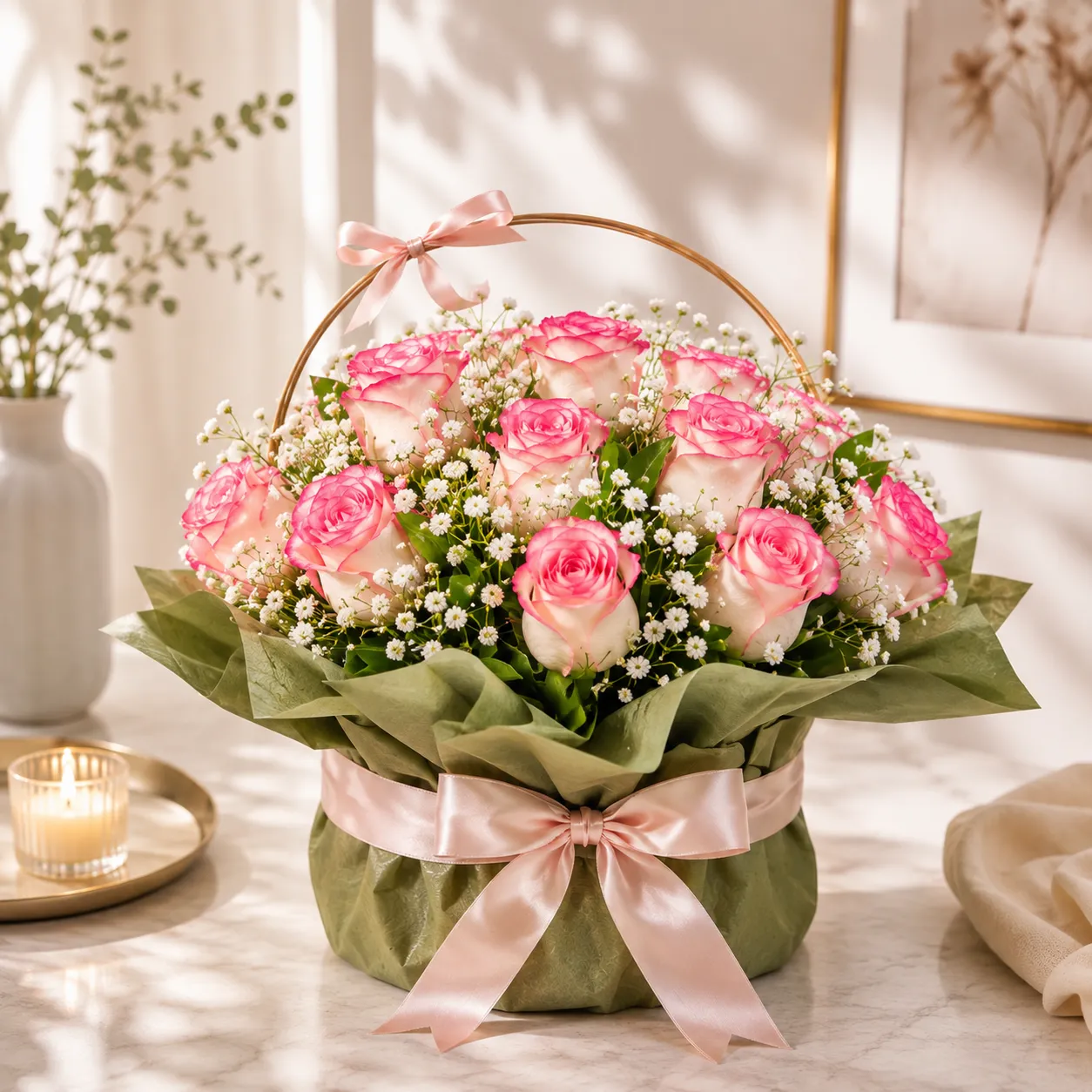
Since Choti Diwali falls the evening before main Diwali, decorating your home with fresh flowers on this day ensures maximum freshness for both nights. Key Choti Diwali flower uses include: refreshing your door toran with new marigold garlands, placing a fresh jasmine strand at the puja mandir for the morning ritual bath, and arranging a new bouquet in your living room to welcome the festive energy of the approaching Diwali night. Order your complete two-day flower set from Instant Bouquet and have everything delivered on Choti Diwali morning — fresh enough to look stunning for both evenings.
🌸 Order Fresh Flowers for Celebrations & Puja
Handcrafted fresh bouquets & floral arrangements delivered across Delhi NCR in 30–45 minutes.

Questions
What is the significance of flowers on Narak Chaturdashi?
On Narak Chaturdashi, flowers are used in two key ways: the ritualistic fragrant bath (snan) traditionally performed before sunrise with flower-infused water (using sesame oil, flowers, and apamarga leaves), and the decoration of the home entrance and puja mandir ahead of the major Diwali celebrations the next evening.
Which flowers are used for the Narak Chaturdashi snan ritual?
Traditional texts prescribe flowers like champaka (champa/frangipani), hibiscus, jasmine, and chrysanthemum for the ritual bath water on Narak Chaturdashi. Fresh flower petals are soaked in the bath water alongside sesame oil and apamarga (a sacred herbal plant).
How is Choti Diwali celebrated differently from main Diwali?
Choti Diwali focuses primarily on a sunrise ritual bath to cleanse oneself of past negativity, the worship of Krishna's victory over demon Narakasura, and lighting 14 diyas as an offering to Yama. The evening is relatively quieter than main Diwali night, with family gatherings and light fireworks.