Bijoya Dashami & Sindoor Khela: The Tearful Farewell, Red Roses & Subho Bijoya
Published October 12, 2026
On Bijoya Dashami, married women play Sindoor Khela, bid farewell to Maa Durga, and exchange Subho Bijoya greetings. Learn about floral traditions and festive gifting across Delhi NCR.
The Bittersweet Tenth Day — Bidding Farewell to the Mother Goddess
On the morning of Bijoya Dashami, the exuberant joy of the preceding days softens into a tender, bittersweet melancholy. The festive days have flown by, and the time has arrived for Maa Durga, along with her children Lakshmi, Saraswati, Kartik, and Ganesha, to bid farewell to her earthly parents and return to her heavenly abode on Mount Kailash. The immersion (visarjan) ritual symbolizes the transient nature of existence—that every beginning must have a completion, and that divine love remains eternal in our hearts.
Sindoor Khela: The Radiant Celebration of Sisterhood and Vermillion
Before the idol is moved from the sanctum, the pandal transforms into a sea of red and white as married women gather for Sindoor Khela (the game of vermillion):
- Dressed in traditional red-bordered white sarees (laal-paar saree), women perform Devi Baran—wiping the Goddess's face with betel leaves, offering sweets (sandesh), and smearing vermillion (sindoor) on her forehead and feet.
- They place fresh red roses and fragrant marigold petals into the deity's hands as travelling blessings.
- Then, with joyful laughter, the women apply bright red sindoor to one another's foreheads, cheeks, and bangles (shankha-pola), praying for long marital happiness, good health, and family prosperity.
The Visarjan Procession: Chants, Conches & Floral Showers
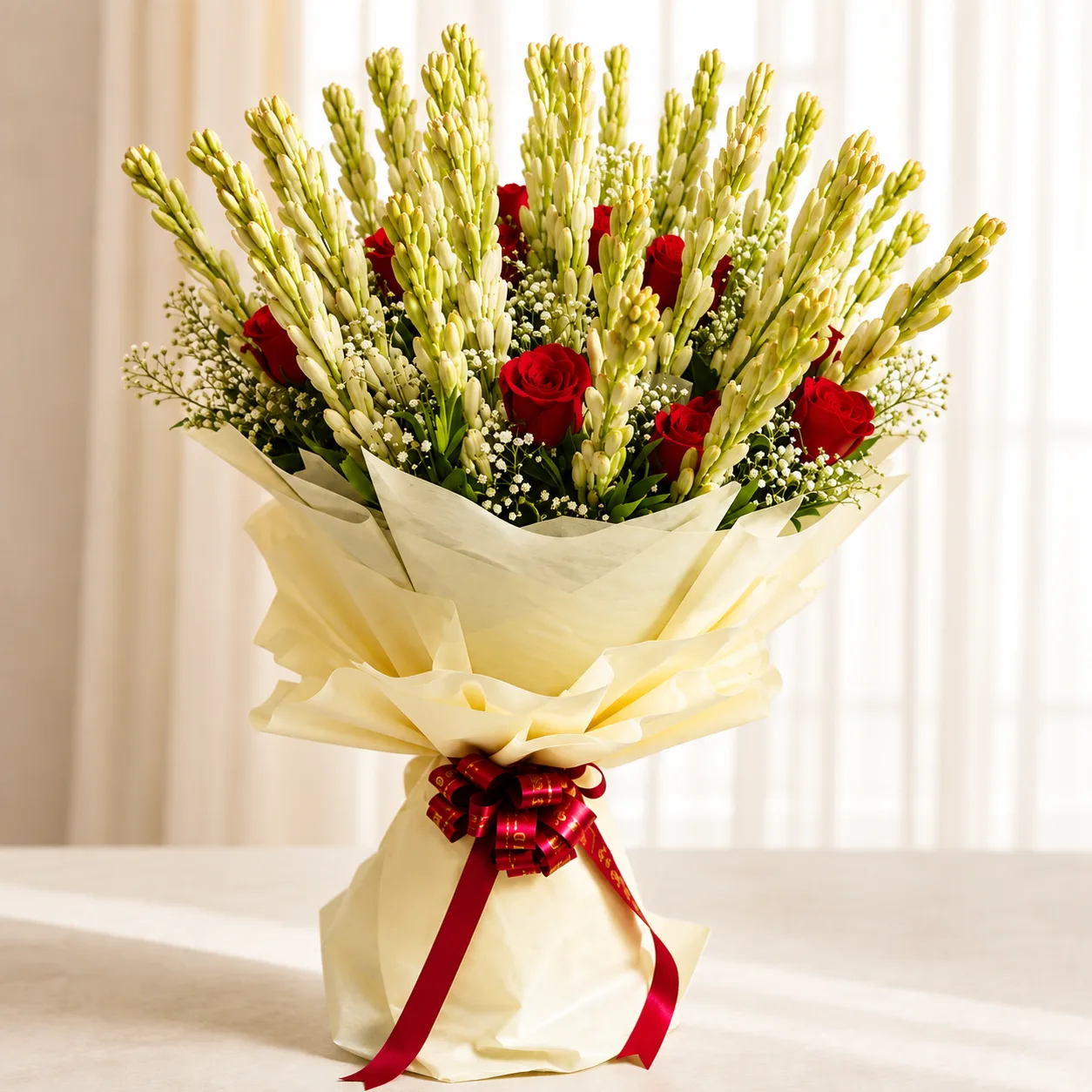
As the massive clay idol is reverently lifted onto transport vehicles or traditional bullock carts (as preserved at Kashmiri Gate), crowds of devotees accompany the procession toward designated immersion ghats along the Yamuna or artificial eco-ponds constructed across Delhi NCR. Devotees shower the Goddess with fresh red roses, marigold petals, and fragrant white tuberoses while dancing to the rhythm of conches and chanting: "Bolo bolo Durga mai ki jai! Aschhe bochhor abar hobe!" (Mother will return again next year!).
Subho Bijoya: The Timeless Tradition of Kolakoli, Pranam & Mishti
The moment the immersion is complete, the period of Bijoya (Victory) begins. All past grievances, disputes, and misunderstandings are dissolved:
- Younger family members touch the feet of their parents and elders (Pranam) to seek their blessings for wisdom, health, and success.
- Peers and friends exchange warm, triple-sided embraces known as Kolakoli, greeting each other with "Subho Bijoya!" (Auspicious Victory!).
- Elders serve traditional homemade delicacies—nimki, ghugni, kucho nimki, narkol nadu (coconut laddoos), and rich Bengali sweets.
Modern Bijoya Gifting: Elegant Floral Bouquets & Festive Hampers
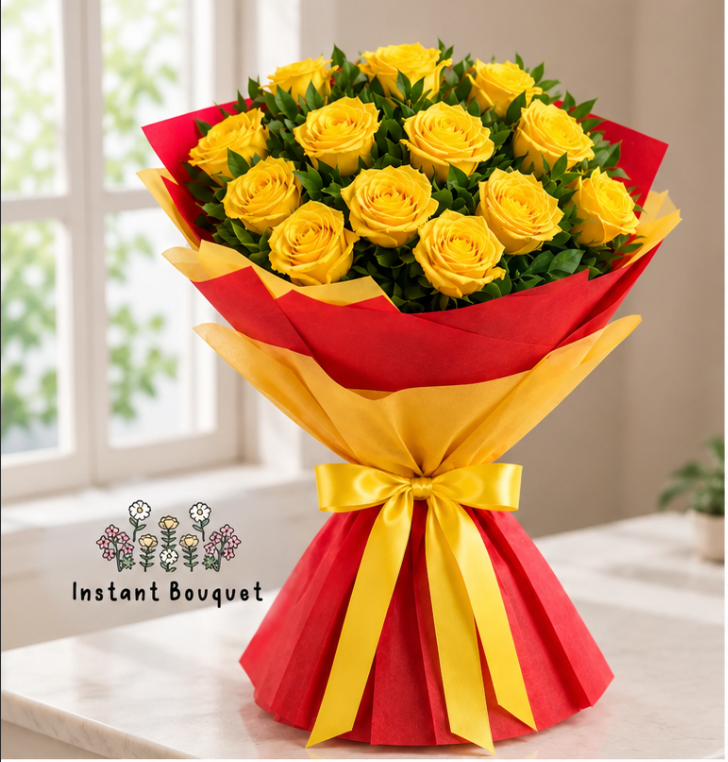
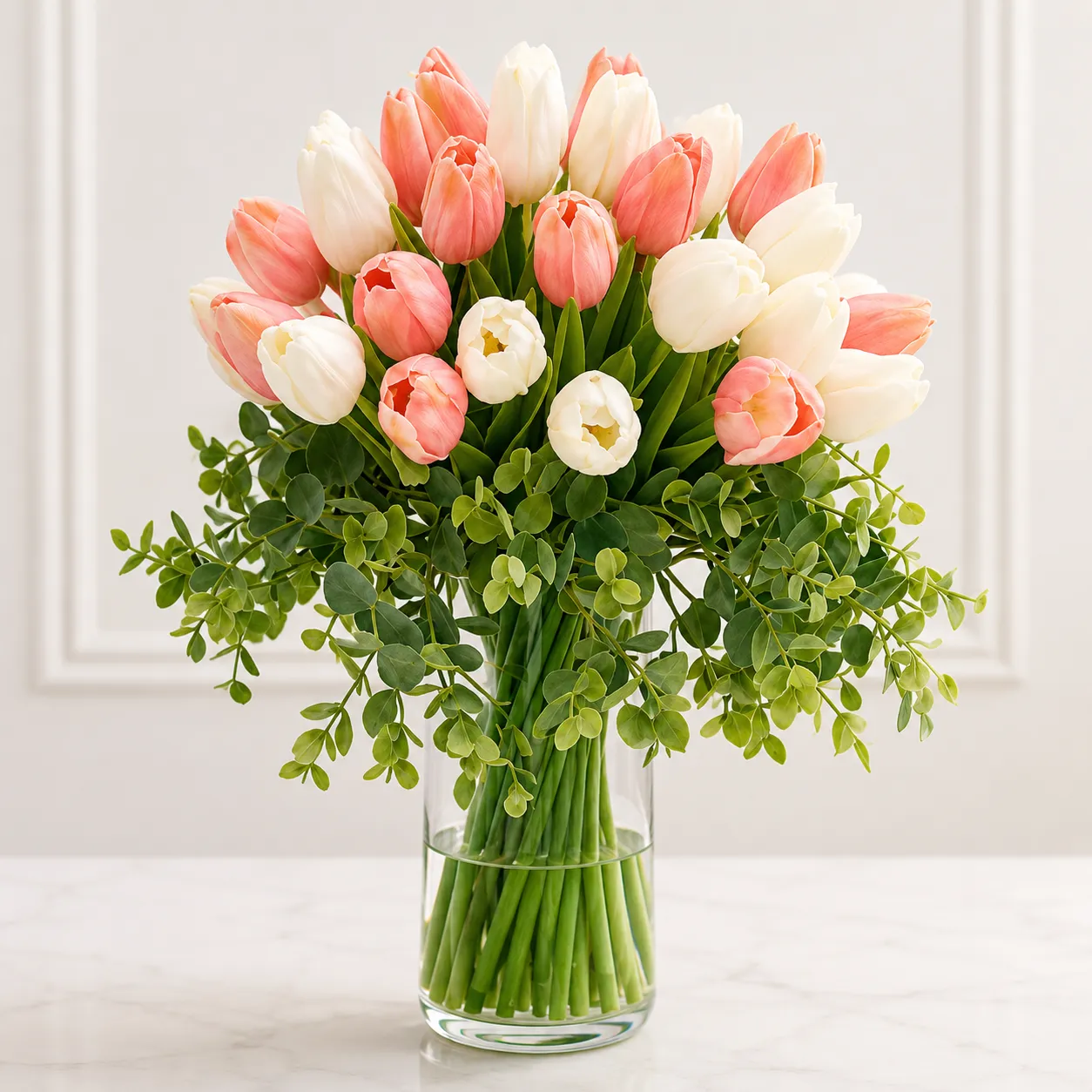
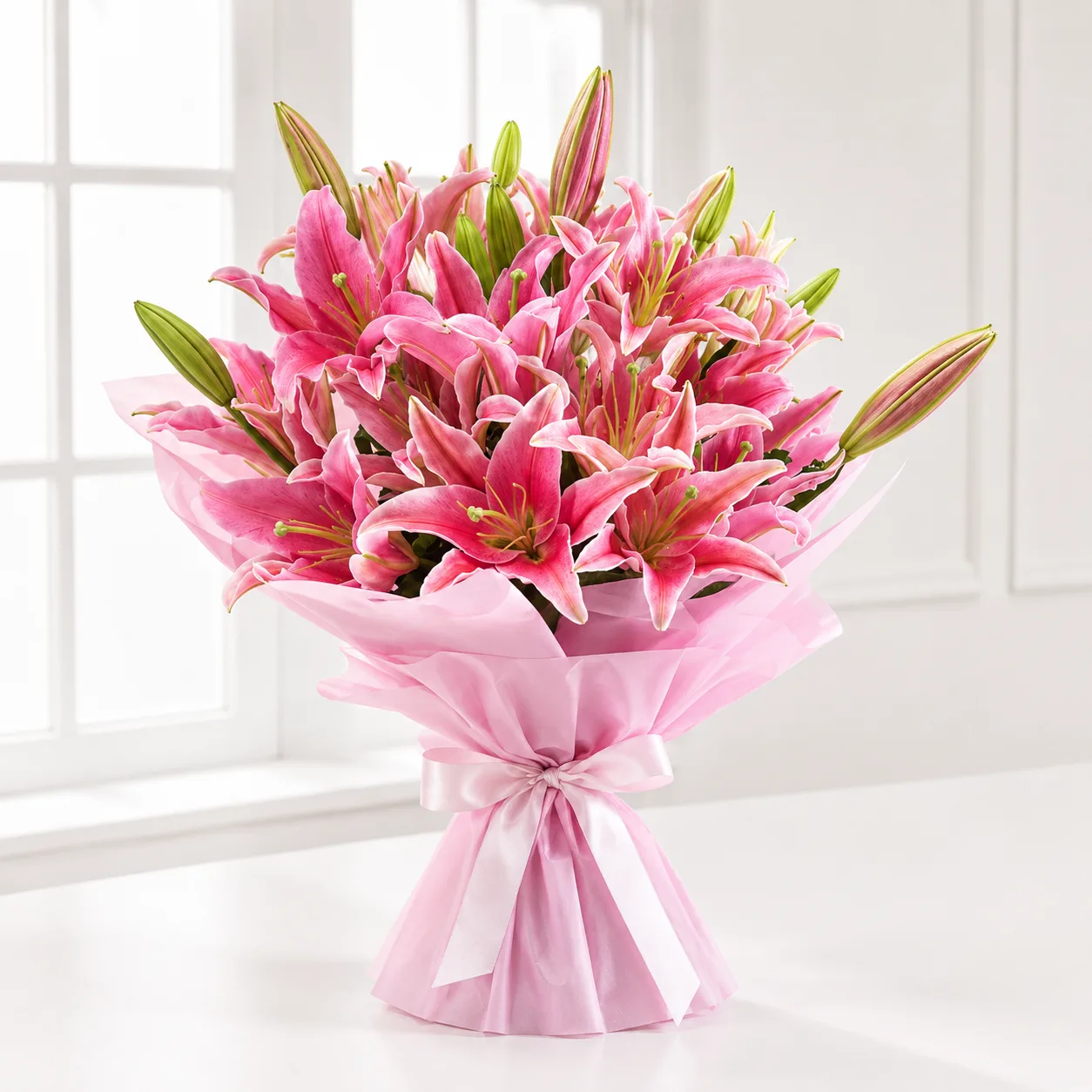
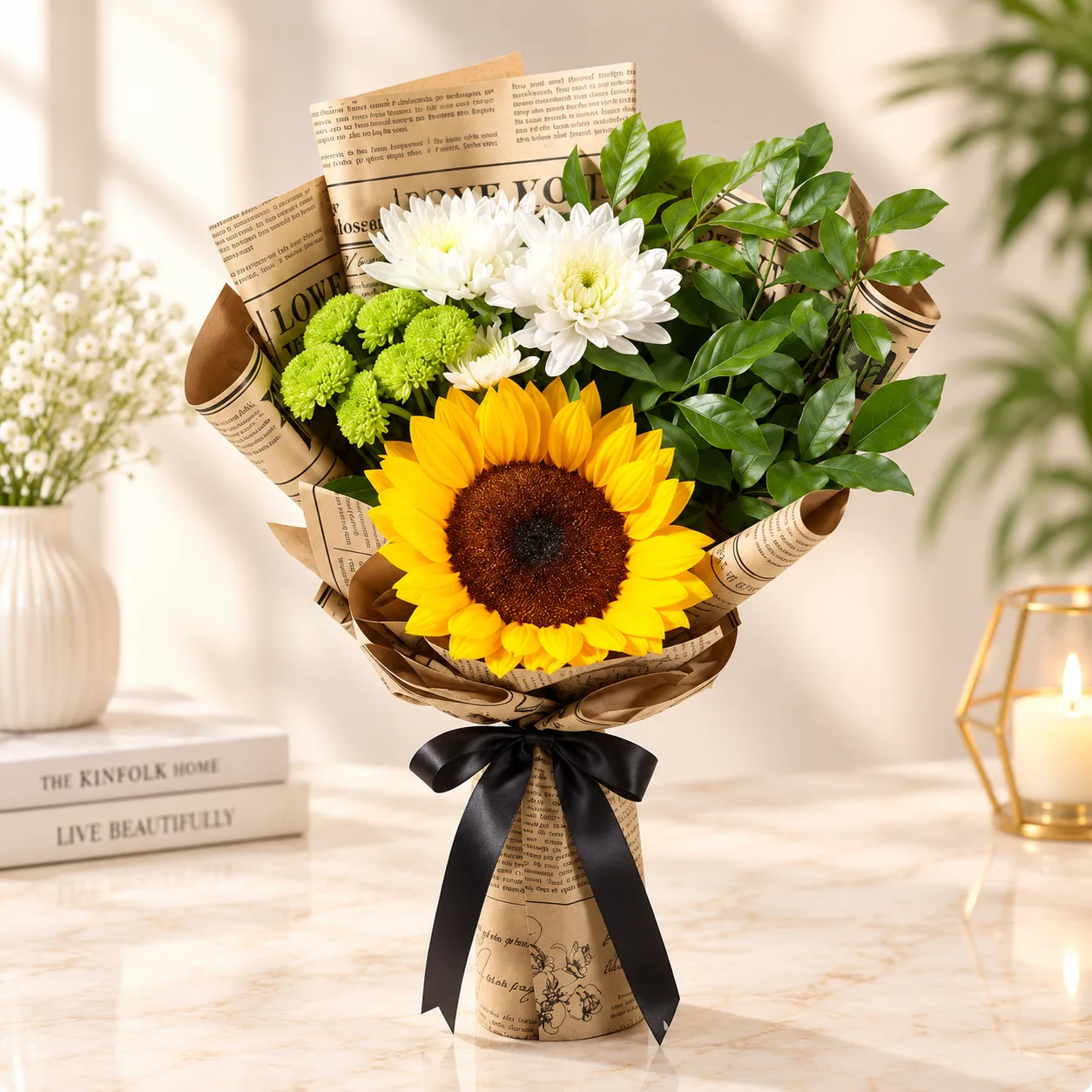
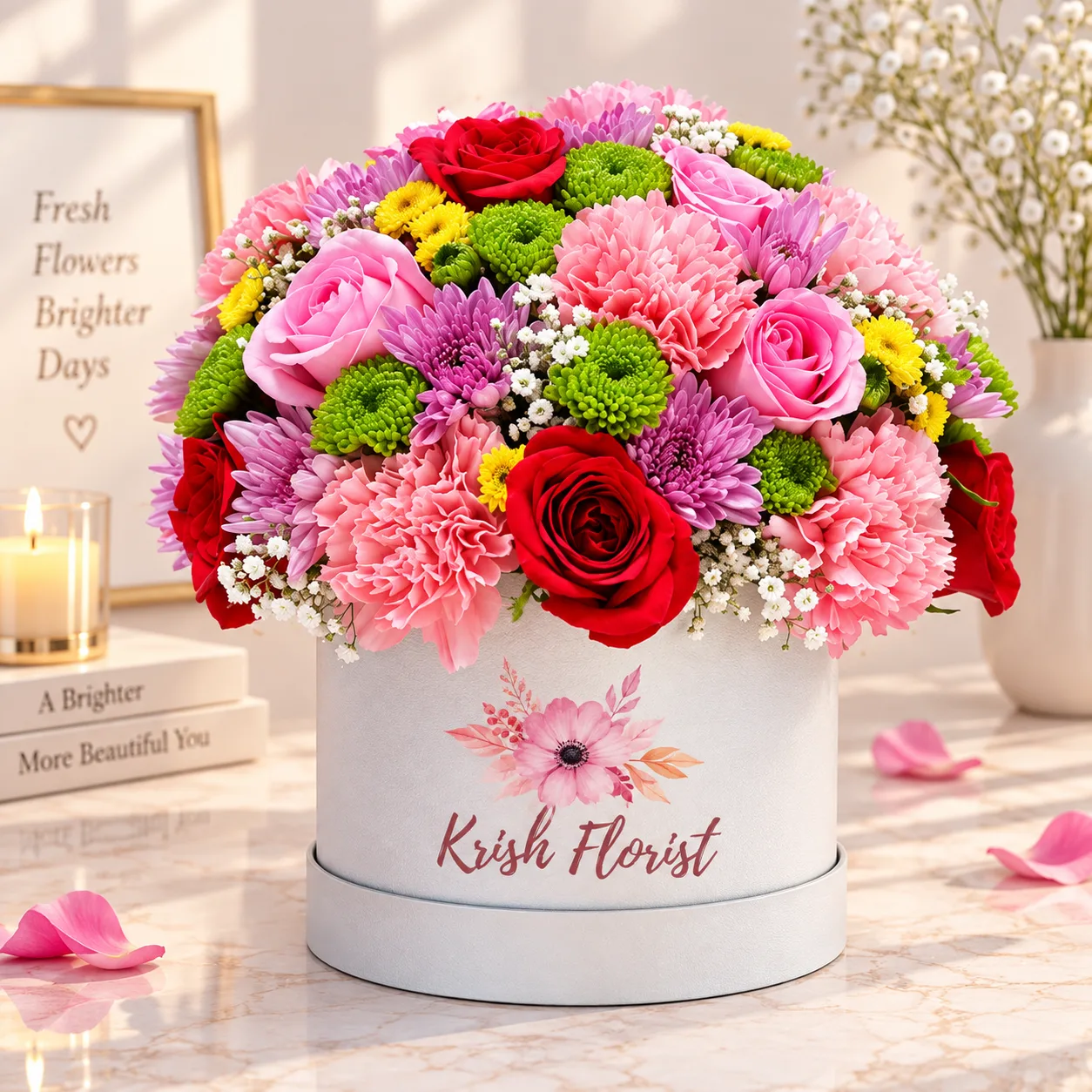
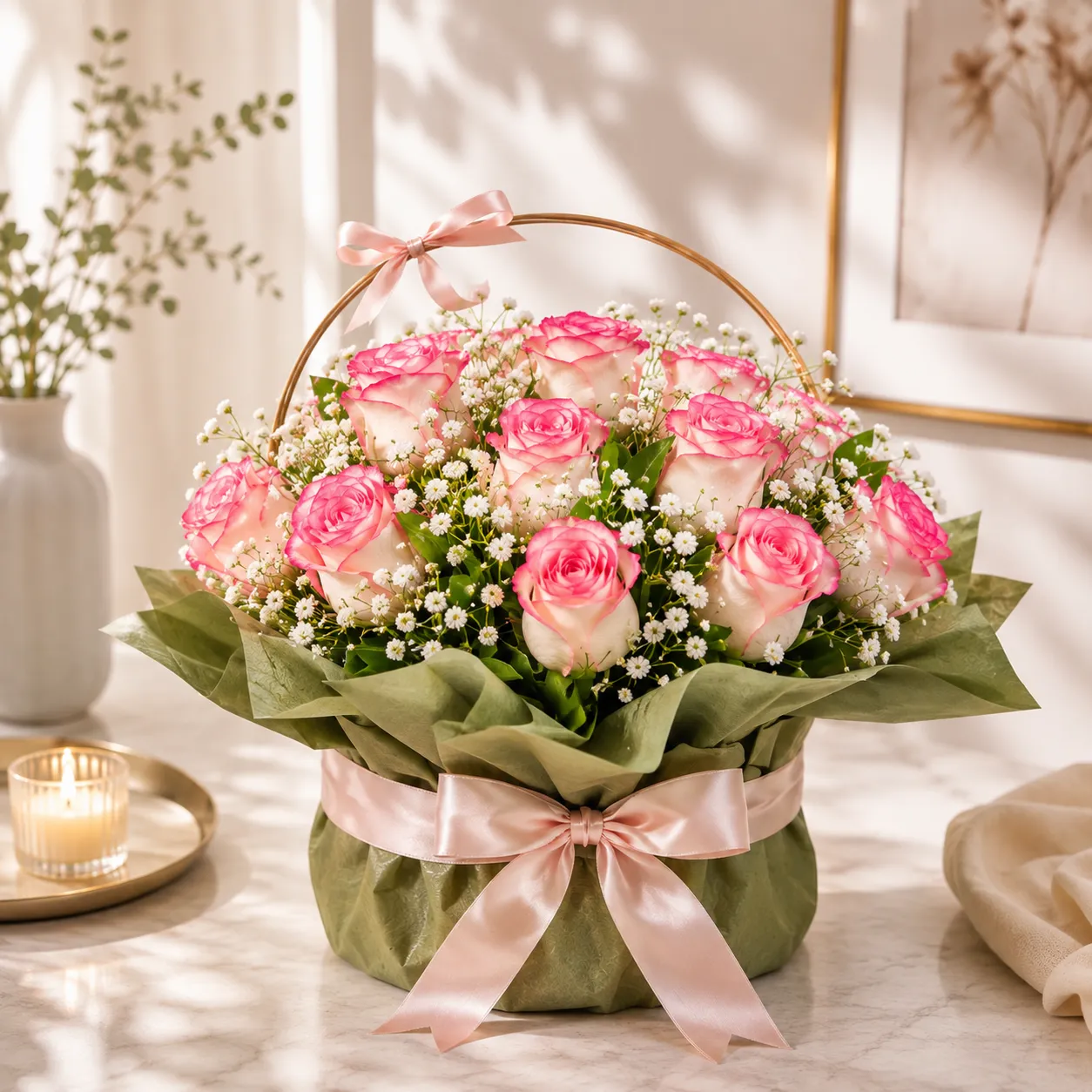
In modern cosmopolitan Delhi NCR, the tradition of Subho Bijoya has embraced the elegance of floral gifting. When visiting relatives, in-laws, mentors, and business colleagues during the fortnight following Dashami, presenting an exquisite floral bouquet—featuring deep crimson roses, exotic lilies, and sunny chrysanthemums—symbolizes respect, prosperity, and warm festive affection.
Fast Subho Bijoya Flower Delivery Across Delhi NCR
Cannot visit every relative in person on Dashami evening? Send your heartfelt festive blessings with Instant Bouquet. We deliver fresh floral arrangements, celebration bouquets, and festive gift boxes in under 35 minutes across South Delhi, West Delhi, Central Delhi, Gurgaon, and Noida.
🌸 Order Fresh Flowers for Celebrations & Puja
Handcrafted fresh bouquets & floral arrangements delivered across Delhi NCR in 30–45 minutes.





Questions
What is the meaning of Sindoor Khela on Bijoya Dashami?
Sindoor Khela is a celebratory ritual on Bijoya Dashami where married women bid farewell to Goddess Durga with sweets and vermillion, and then apply bright red sindoor to one another, wishing for marital harmony and family well-being.
What is the significance of the phrase 'Subho Bijoya'?
Subho Bijoya means 'Auspicious Victory'. It marks the period following Durga Visarjan when people exchange warm embraces (kolakoli), touch elders' feet for blessings, and share sweets, reaffirming love and mutual respect.
Where does Durga Visarjan take place in Delhi?
Visarjan takes place at designated Yamuna river ghats such as Qudsia Ghat, Nigambodh Ghat, as well as designated eco-friendly artificial water bodies built by the municipal authorities across Delhi NCR.
What flowers are traditionally given during Sindoor Khela?
Fresh red roses, red hibiscus (jaba), and bright yellow marigold petals are traditionally placed at the Goddess's feet and exchanged among devotees during Sindoor Khela.
Can I send Subho Bijoya flower bouquets to family and friends in Delhi NCR?
Yes! Instant Bouquet delivers fresh celebratory bouquets, red rose arrangements, and festive hampers across Delhi, Gurgaon, and Noida in just 30 to 45 minutes.